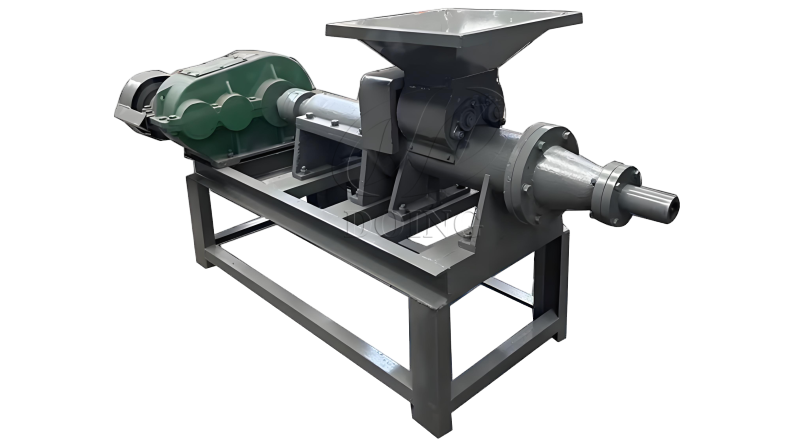

Charcoal briquettes made from agricultural waste offer an efficient, sustainable, and profitable alternative to traditional fossil fuels. Henan DOING Company provides complete equipment and process solutions to help you convert agricultural waste such as coconut shells, rice husks, sawdust, corn cobs, bamboo, and bagasse into high-quality charcoal blocks for heating, cooking, and industrial applications.
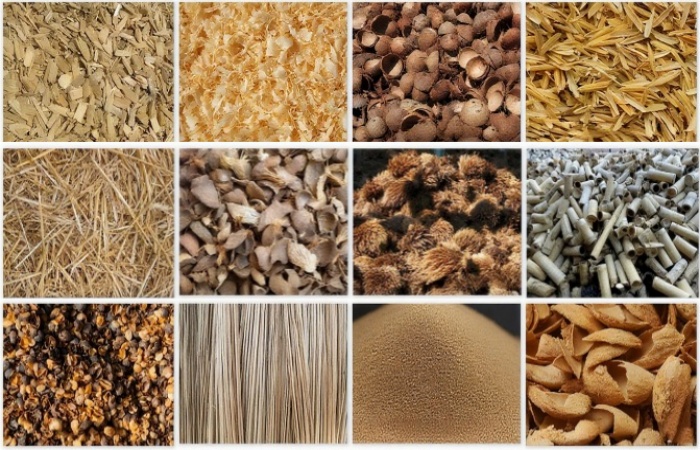 Various carbonizable agricultural wastes
1. Raw Material Preparation
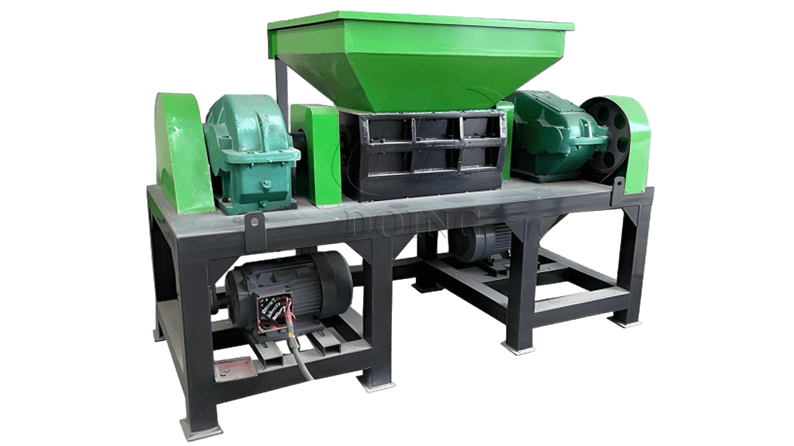
The first step in making charcoal briquettes from agricultural waste is collecting the raw biomass and reducing its size. A crusher or shredder is used to break the material into small, uniform particles—ideally less than 10 mm. This ensures smooth feeding and stable carbonization, laying the foundation for high-quality briquettes.
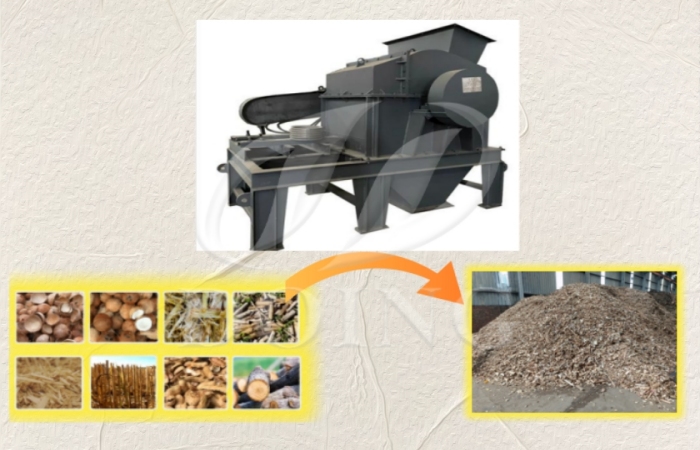 Crusher in carbonization equipment production line
2. Drying
Once the material is crushed, it must be dried to a moisture content of 15% or lower. A rotary dryer removes excess moisture using hot air generated from burners or waste heat. Proper drying is essential for efficient carbonization and directly affects the final quality when making charcoal briquettes from agricultural waste.
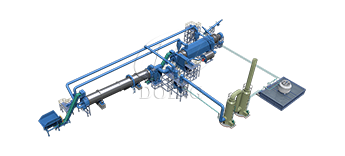
3. Carbonization
The dried biomass is then fed into a carbonization furnace, where it is heated under oxygen-limited conditions. With continuous carbonization equipment, feeding and discharging happen simultaneously, and the entire process from inlet to outlet takes just over one hour. During this stage, volatile gases are released and can be recycled as heat to fuel the system, significantly reducing energy costs. This is a core step in the methods for making charcoal blocks from agricultural waste, ensuring consistent carbon quality.
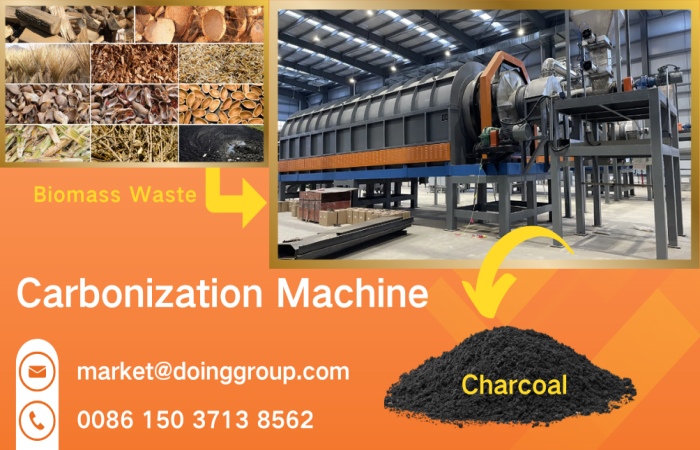 Agricultural waste biochar carbonization equipment
4. Grinding and Mixing
After carbonization, the biochar is ground into a fine powder. The mixture is blended uniformly to ensure consistent density and burning performance. Proper mixing is key to producing durable, high-calorie briquettes.
5. Briquetting and Cooling
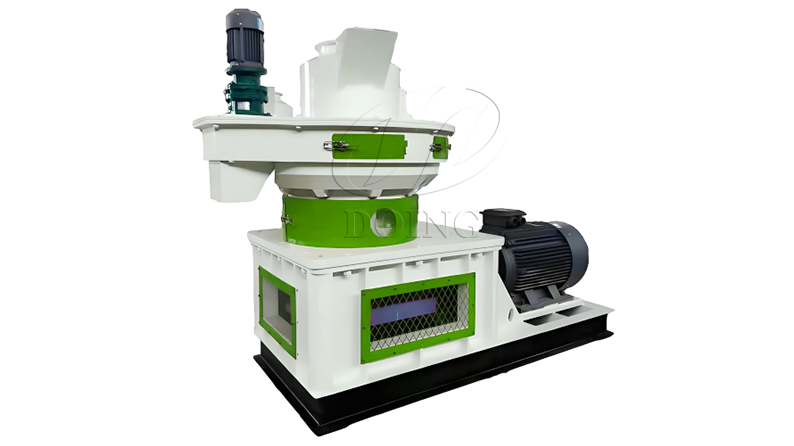
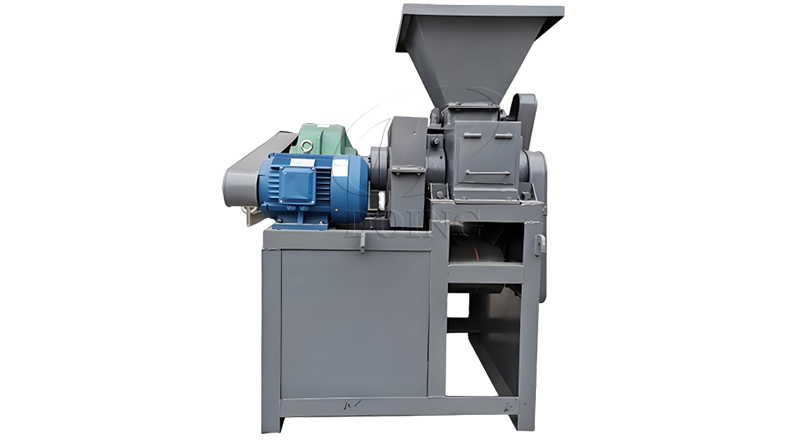
Finally, the mixture is compressed into uniform shapes—such as cylinders, cubes, or hexagonal sticks—using a charcoal briquetting machine. After compression, the briquettes are cooled, hardened, and packaged for storage or sale. This step completes the process of making charcoal briquettes from agricultural waste, resulting in a clean, high-energy fuel product.
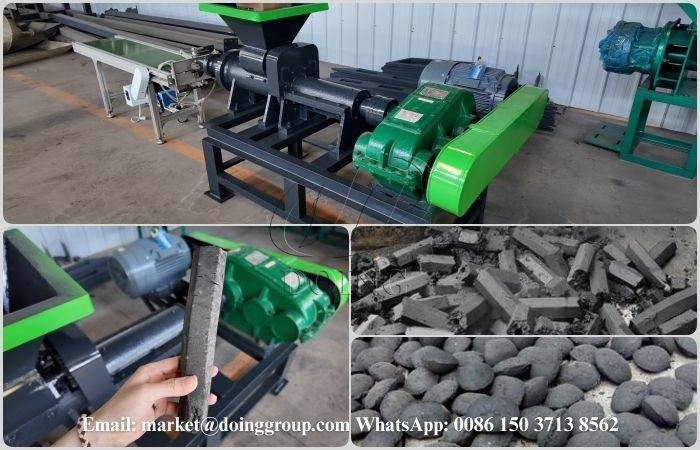 Charcoal briquettes production machine
Whether you are building a new biomass waste to charcoal briquettes production line, we can help you. Contact Henan DOING today to find the right solution for your agricultural waste recycling project.

Please provide us with project information as much as possible.