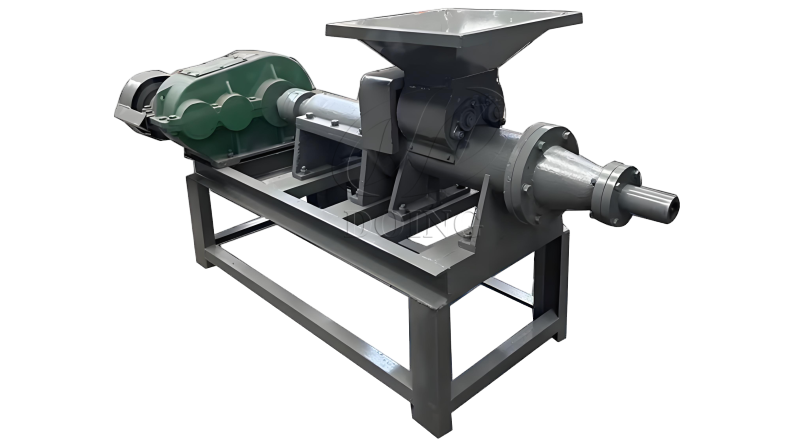

Within the biomass resource recycling industry, biochar and biocoal are two project areas that have garnered significant interest from investors. Many clients in this field frequently ask: What is the difference between biochar and biocoal? Although both utilize agricultural and forestry waste as raw materials, they differ fundamentally in terms of their manufacturing processes, physical forms, and final product value.
According to conventional industry understanding, what we commonly refer to as biocoal is primarily produced through physical extrusion; it is also known as biomass molded fuel, biomass pellets, or briquettes.
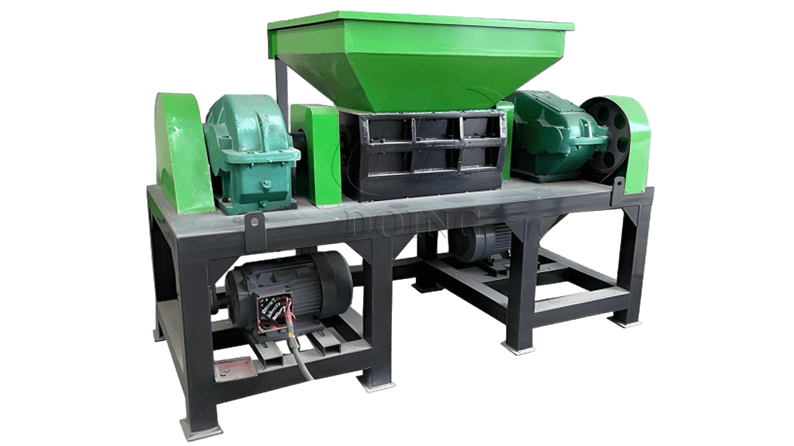
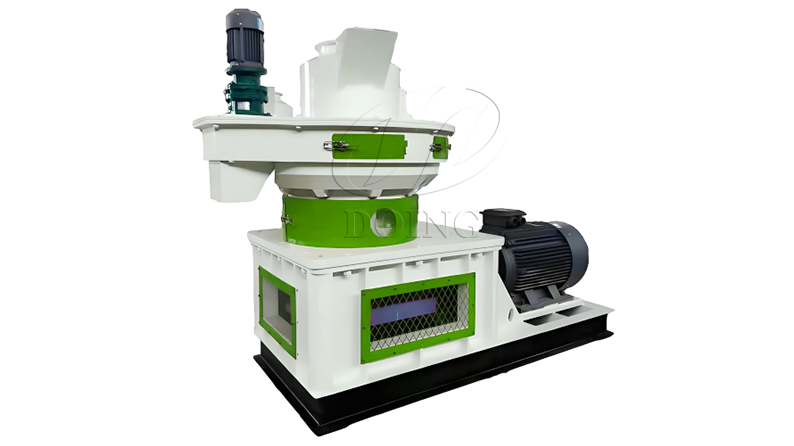
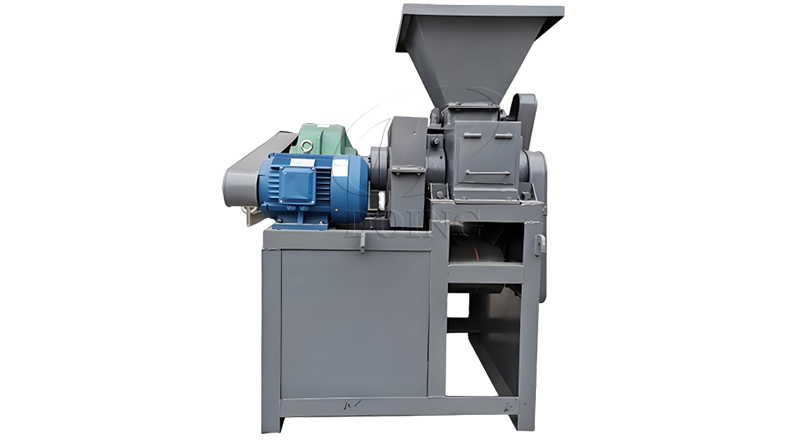
Biocoal Manufacturing Process: Biomass raw materials, such as wood chips, crop stalks, and rice husks, are first pulverized and dried. Subsequently, using the pelletizer or briquetting machine, they undergo high-pressure physical extrusion, either at ambient temperature or under heat, to be formed into dense pellets or briquettes.
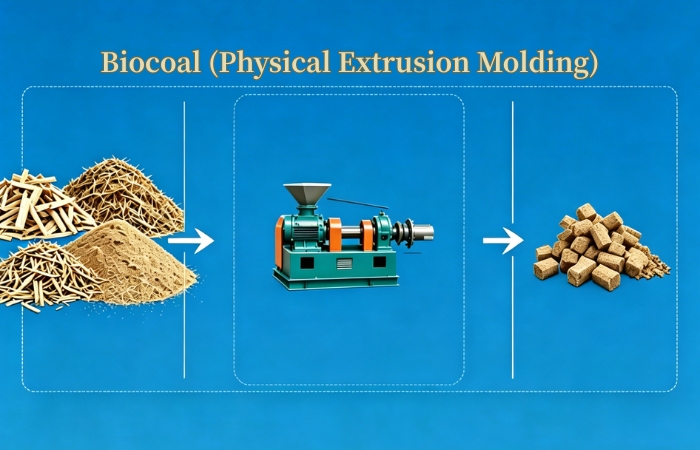 Biomass to biocoal production process
Biocoal Key Characteristics: The physical structure of biocoal becomes more compact and its density increases, facilitating storage and transport. However, the chemical composition has not undergone any fundamental change, retaining the original volatile matter of the biomass.
Primary Applications of Biocoal: As an eco-friendly solid fuel, it serves as a direct substitute for traditional coal and is widely utilized in scenarios requiring direct combustion to generate thermal energy, including residential heating, industrial boilers, and biomass power plants.
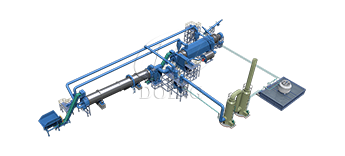
Biochar, however, is entirely different; it is a solid material rich in fixed carbon, obtained by subjecting biomass feedstock to high-temperature pyrolysis (carbonization) in an oxygen-deficient environment. To produce biochar, one must rely on specialized biomass pyrolysis machine.
Biochar Manufacturing Process: Upon entering the main carbonization unit, biomass feedstock undergoes thermochemical reactions at high temperatures, shedding moisture and most volatile substances to ultimately yield the high-carbon structure.
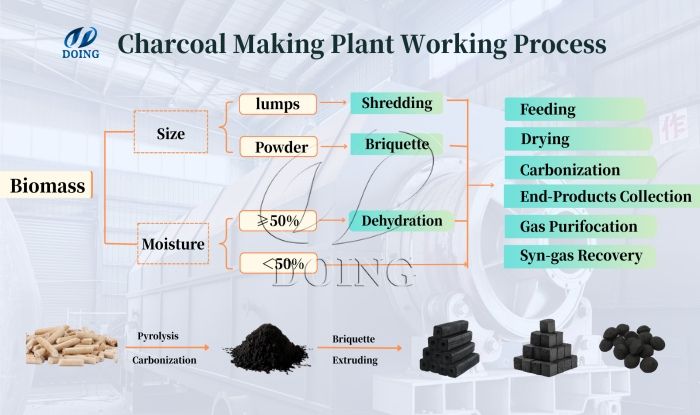 Biomass pyrolysis biochar making process
Biochar Key Characteristics: Biochar material features a high carbon content and greatly increased calorific value. During combustion, it produces no smoke or smell. In addition, it has a well-developed microporous structure and a large specific surface area.
Primary Applications of Biochar:
①Premium Fuels: Processed into machine-made charcoal, barbecue briquettes, hookah charcoal, and similar products, the market selling price is significantly higher than that of ordinary bio-coal.
②Agriculture & Environmental Protection: Utilized for soil amendment, slow-release fertilizers, and carbon sequestration (carbon sink projects).
③Industrial Applications: Serves as a high-quality precursor material for activated carbon, or for use as a reducing agent in the metallurgical industry.
Processing Characteristics: Bio-coal production is a physical change, impacting only its form, not its inherent characteristics. Conversely, biochar results from a chemical change driven by pyrolysis. This reaction drives off elements like hydrogen and oxygen, reorders lignin and cellulose structures, and leads to a significant rise in carbon content.
Combustion Performance: Bio-coal still generates a certain amount of flue gas during combustion, necessitating the installation of appropriate boiler dust-removal systems. High-quality biochar, on the other hand, burns with virtually no smoke or odor, thereby meeting more stringent environmental standards.
Economic Value: Bio-coal is primarily a bulk fuel, meaning its profit potential is often stable but limited. Biochar, however, stands out as a high-value product with wide-ranging uses, including BBQ, farming, and metallurgy. It offers investors a much stronger financial return.
Now that you understand the differences between biochar and biocoal, we hope you have a clearer plan for your biomass processing projects. If you wish to further upgrade your biomass waste (or pre-compressed biocoal) into biochar that commands a higher market price, then a set of biomass pyrolysis machine featuring stable operation and mature technology is absolutely indispensable.
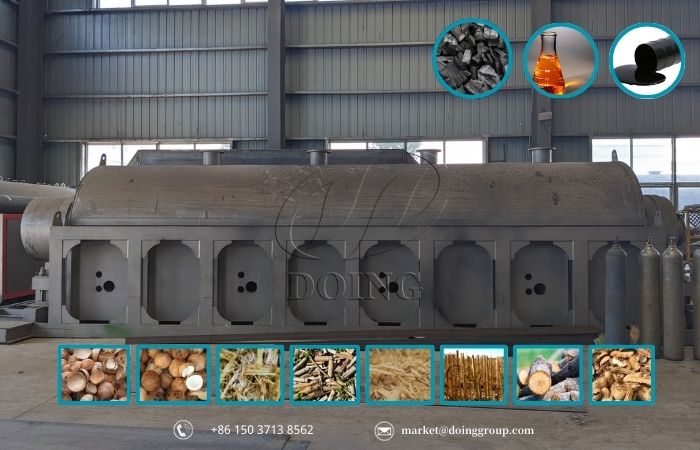 Biomass to biochar pyrolysis machine
As a specialized manufacturer of biomass processing machine, Doing Company is dedicated to providing our clients with comprehensive solutions, ranging from raw material testing to the final installation and commissioning of equipment. Whether you are dealing with loose materials such as sawdust, fruit shells, or bamboo shavings, or with physically extruded biocoal, our machinery is capable of efficiently processing them through pyrolysis and carbonization. We invite you to leave a message in the section below our website at any time to get in touch with our technical team.

Please provide us with project information as much as possible.