
As global carbon markets mature, carbon credit pyrolysis products---biochar production has become a tangible entry point for investors seeking both environmental and financial returns. The process works by converting biomass materials like agricultural residues or forestry waste into stable biochar, locking carbon into the soil for long-term sequestration. This carbon removal effect is now recognized by major carbon registries, making carbon credit pyrolysis products production a viable pathway for generating verified carbon credits. For investors, understanding how raw material flow, equipment choice, and operational setup affect the final cost is the first step toward a sound project.
1. Biomass Raw Material Preparation and Cost Impact
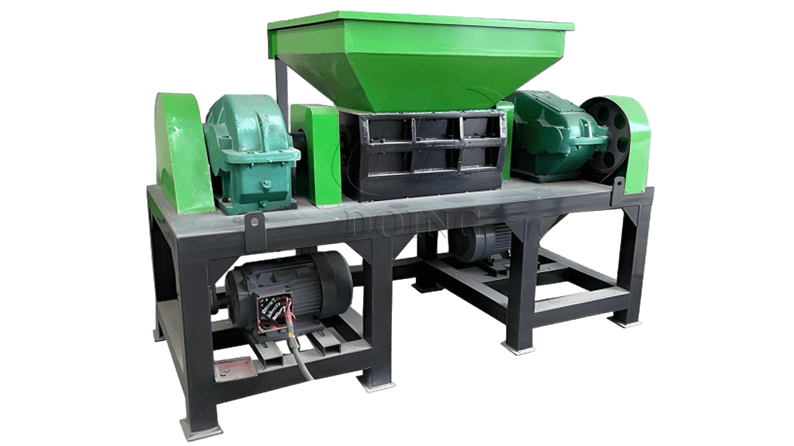
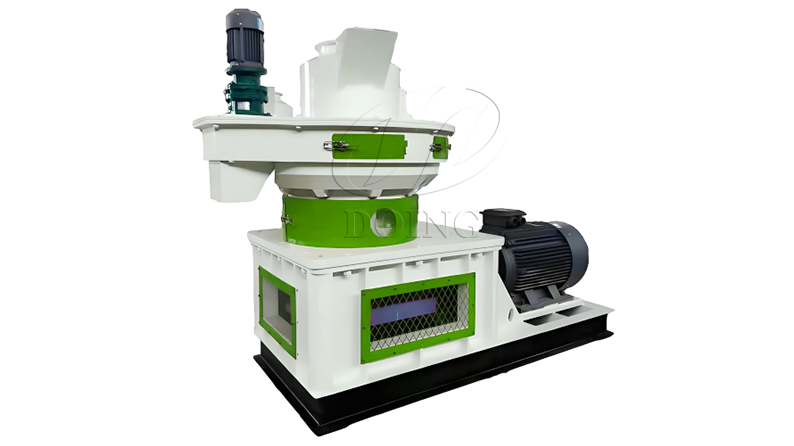
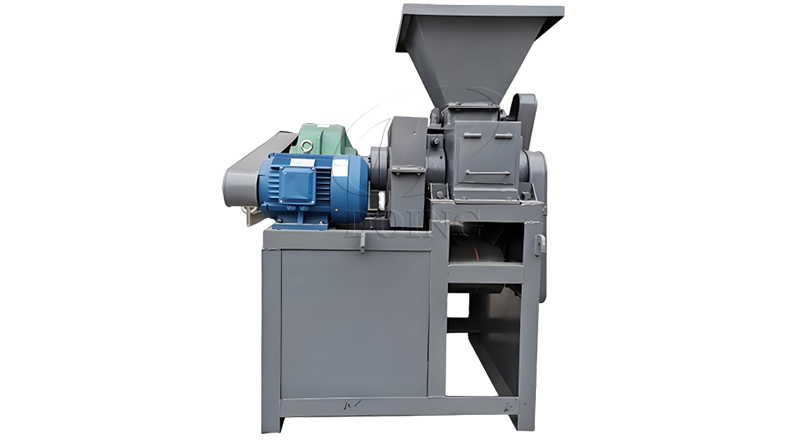
Feedstock is the baseline of project economics in any carbon credit pyrolysis products production venture. Various agricultural wastes and forests wood wastes, such as straw, sawdust, rice husks, fruit shells, bamboo, sugarcane bagasse, soft/hard woods, tree branches, and other biomass, are common raw materials. Their availability and condition (including moisture content and size) directly affect the budget. If the biomass has high moisture content, it requires extra drying energy, raising processing costs. Likewise, sourcing materials from a wide radius adds transportation expenses that cut into margins. A project located near a steady, dry source of biomass waste will naturally see lower operational costs and more stable carbon credit output, which strengthens the overall viability of a biochar carbon credit project.
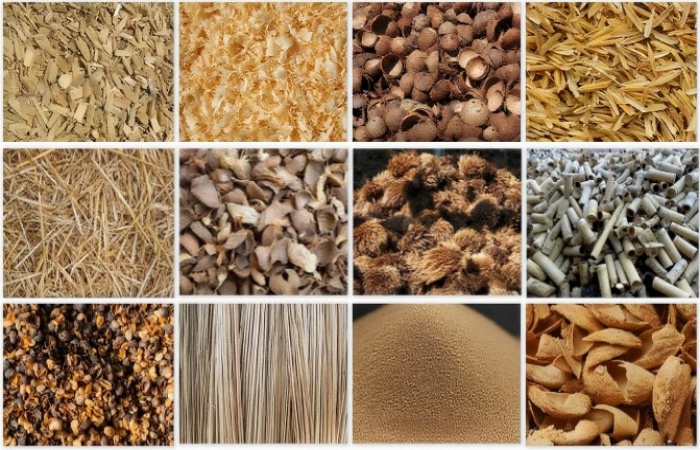 Biomass feedstocks for pyrolysis carbonization
2. Biochar Pyrolysis Equipment Selection and Investment Level
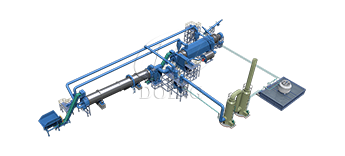
Biochar pyrolysis equipment selection and investment planning represent the primary capital outlay, and the cost scales with automation and capacity. Henan Doing Holdings Co., Ltd. supplies a range from batch biomass to biochar pyrolysis systems to fully continuous plants. A fully automated, continuous carbonization line, with a processing capacity of more than 1 ton/hour, involves higher upfront investment but reduces labor needs and ensures consistent biochar quality—a major advantage during carbon credit auditing. For smaller budgets, intermittent systems offer a lower initial cost while still meeting the clean production standards required for certification. The trade-off between initial price and long-term operational efficiency defines this part of the budget, making pyrolysis equipment selection and investment decisions critical to long-term profitability.
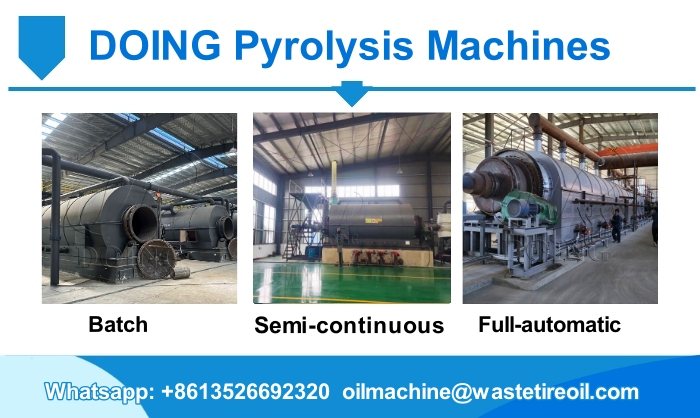 DOING different models of biochar pyrolysis systems
3. Site and Infrastructure Planning
The physical site requires space for raw material storage, the pyrolysis line, and finished product handling. Underestimating this leads to workflow bottlenecks and unexpected civil work costs. A compact but logical layout minimizes the distance materials travel, cutting down on fuel use for loaders and conveyors. Proper planning for dust control and stormwater management also prevents regulatory headaches later on, keeping soft costs contained. A well-designed site layout supports the smooth operation of any biochar carbon credit project.
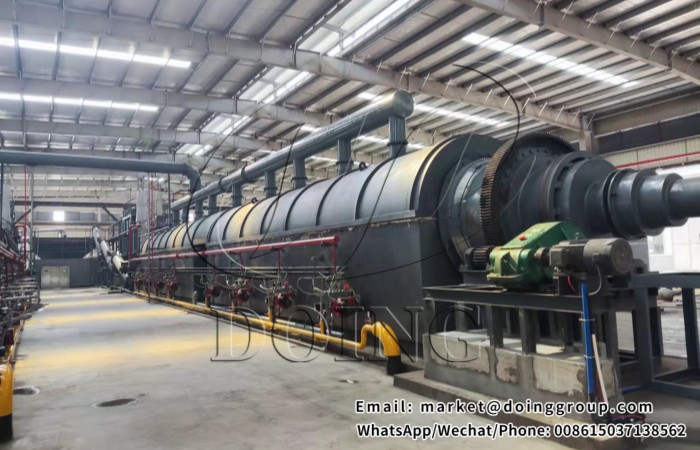 Biochar production plant site planning
4. Certification and Carbon Credit Application
Generating credits requires an investment in compliance. This includes fees for third-party verification, project registration, and monitoring equipment to track production parameters. While not a heavy industrial expense, it is a necessary operational line item. Equipment that provides reliable data logs—like the control systems in DOING's continuous plants—streamlines this process, reducing the time and consultancy cost needed to satisfy auditors.
5. Local Energy and Labor Considerations
Finally, regional conditions matter. Local electricity prices and fuel availability impact the cost of running the reactor, while the local labor market influences whether a high-automation or manual system makes more sense. In areas with expensive power, the energy efficiency of the system becomes a critical cost-control lever.
Investing in carbon-credit-based pyrolysis production project is not a short-term trade but a long-term positioning in the environmental commodities market. Whether evaluating a small-scale farm system or planning a full industrial hub, the alignment of feedstock, equipment capability, and certification standards is essential. Henan Doing Holdings Co., Ltd. is consistently dedicated to providing professional engineering technical support and reliable mechanical equipment, aiming—through efficient biochar pyrolysis production machinery—to transform biomass, originally regarded as waste, into certified and commercially valuable carbon assets.
 Biochar pyrolysis system for carbon sequestration
If you are evaluating a biochar carbon credit production project and need clarity on biochar pyrolysis equipment specs or process flow, feel free to reach out to our engineering team. We can provide a tailored configuration and cost estimate based on your specific biomass feedstock and capacity goals. Contact Henan Doing Holdings Co., Ltd. today for a project consultation.

Please provide us with project information as much as possible.