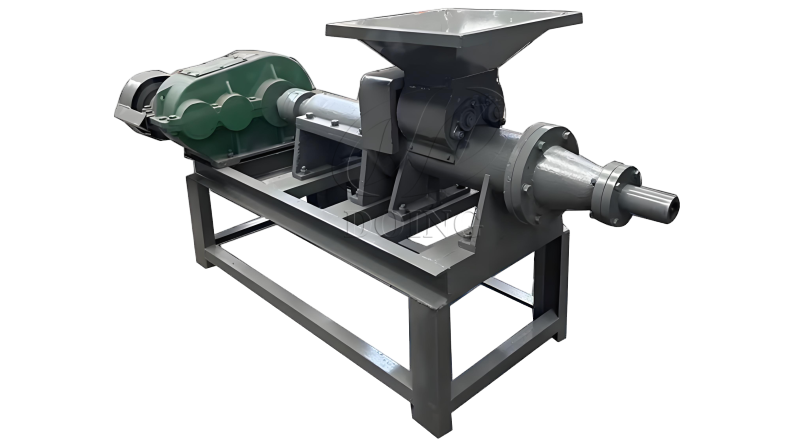

In the process of biomass resource recycling, biomass carbonization technology has garnered widespread attention for its ability to transform waste into high-value energy. Whether it be rice husks, coconut shells, wood chips, or agricultural crop stalks, converting them into biochar with high fixed carbon content requires undergoing high-temperature pyrolysis process. In this production process, the control of raw material moisture is a critical link that directly impacts both the quality of the finished product and production costs.
In actual production, maintaining the moisture content of the biomass feedstock entering the main carbonization unit within the range of 10% to 15% is considered a reasonable range.
Different types of biomass raw materials exhibit vast differences in their natural moisture content. For instance, fresh sawdust, straw, or fruit husks may have an initial moisture content as high as 40%—or even exceeding 50%. If such high-moisture raw materials are fed directly into the carbonization furnace, it often imposes numerous constraints on subsequent production. Therefore, before materials enter the core carbonization stage, they typically undergo a preliminary drying pretreatment.
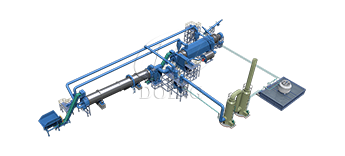
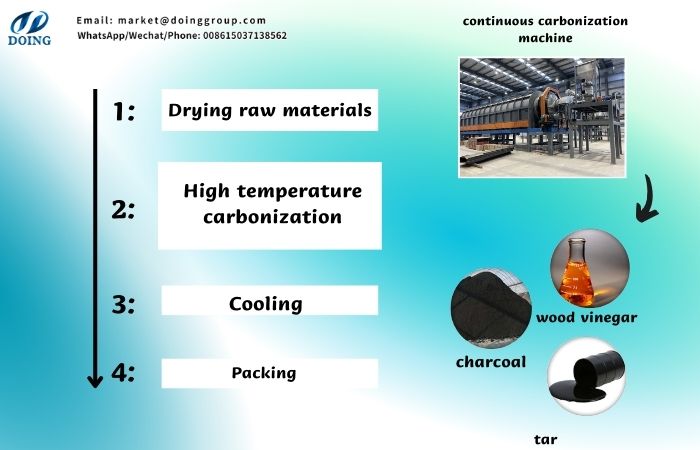 Biomass carbonization process including drying pretreatment
Strict moisture control serves not only to satisfy process requirements but, more importantly, to ensure the continuous and stable operation of the entire biomass carbonization system. The specific reasons for this are reflected in the following three aspects:
If the moisture content of the raw material is excessively high, the biomass carbonization machine must expend a significant amount of thermal energy during the initial stages of operation solely to facilitate the "evaporative dehydration" of the material. This not only prolongs the material's residence time within the furnace but also substantially increases fuel consumption, thereby reducing the overall thermal efficiency of the production process.
Under high-temperature conditions, high-moisture materials instantly generate large quantities of hot steam. If this steam infiltrates the carbonization zone, it can easily cause localized temperature fluctuations within the furnace, thereby disrupting the stability of the pyrolysis reaction. Uneven heating can result in the final biomass charcoal product exhibiting "incomplete carbonization" or lower fixed carbon content, thereby impacting the selling price of the finished product.
If excessive steam mixes with the combustible gases and tars generated during the carbonization process, it can easily form acidic condensate as the temperature within the piping system drops. This condensate is inherently corrosive; if not properly managed over the long term, it can cause unnecessary erosion to the internal structure and exhaust piping of the biomass carbonization machine, thereby increasing future maintenance costs.
To assist clients in addressing the moisture challenges associated with various biomass raw materials, Doing Company typically incorporates customized pre-drying systems when designing biomass carbonization machine, based on the characteristics of the raw materials.
The operational logic of this system places a strong emphasis on energy recycling:
Waste Heat Recovery: By utilizing the high-temperature combustible gas generated during the biomass carbonization process as the heat source for the dryer, no additional heating costs are incurred.
Phased Processing: High-moisture biomass feedstock first enters the dryer, where it comes into thorough contact with hot air within the rotating drum, rapidly reducing its moisture content to a suitable range of below 15%.
Automated Sealed Conveyance: The dried material is conveyed directly into the main carbonization unit via sealed conveying system. Since the material itself already possesses a certain temperature, upon entering the carbonization furnace, it heats up and undergoes pyrolysis rapidly, thereby significantly shortening the carbonization cycle.
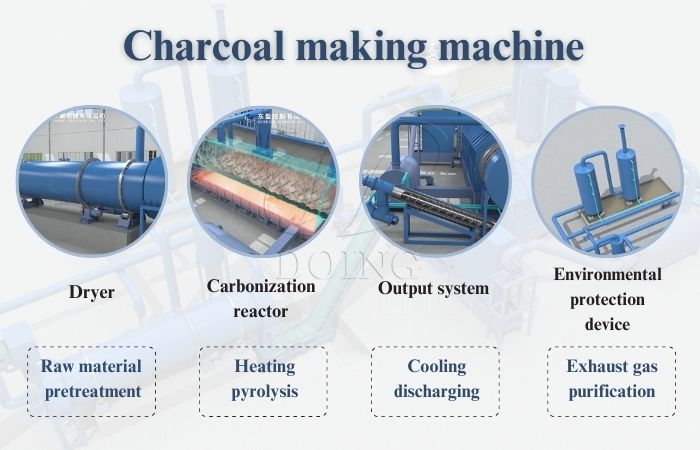 DOING biomass pre-drying + carbonization machine system
This integrated design—combining "pre-drying" with "high-temperature carbonization"—not only scientifically resolves the challenge of moisture control but also achieves a closed-loop utilization of thermal energy throughout the entire system; this is currently the recommended method for large-scale production.
Given the significant variations in physical structure and initial moisture content among different biomass feedstocks—such as bamboo shavings, palm shells, rice husks, and even sludge—the specific processes for moisture control and the selection of drying equipment vary accordingly.
If you are planning a biomass carbonization project—or are currently facing challenges such as high raw material moisture content, low carbonization efficiency, or excessive energy consumption—please feel free to contact us at any time. Our professional technical team will provide you with a tailored configuration plan for biomass carbonization equipment, along with process guidance, based on your raw material types, production capacity requirements, and actual site conditions.

Please provide us with project information as much as possible.