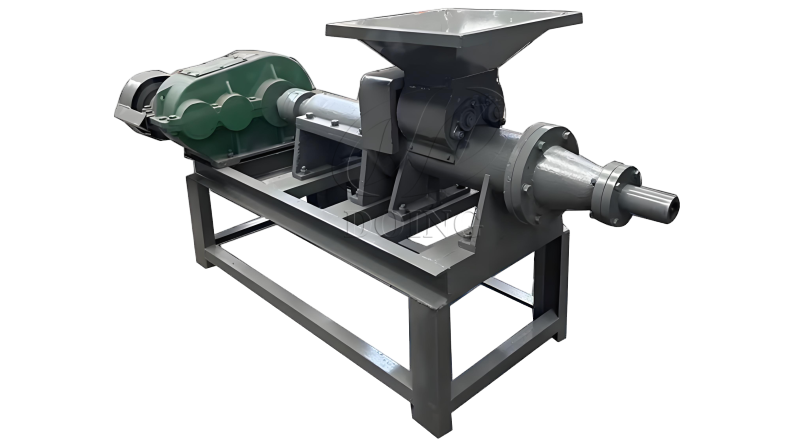

During the palm oil production process, large quantities of by-products and waste are generated. Efficiently managing these materials is not only a requirement for environmental compliance but is also emerging as a new avenue for reducing costs and enhancing efficiency. Producing biochar from palm oil processing waste is a viable resource recovery strategy.
First, converting palm oil waste into biochar reduces the volume of waste and lowers environmental pressure. Instead of open burning or direct landfilling, this method transforms the waste into a stable, carbon-based product.
Second, biochar creates additional value. It can be utilized in fields such as soil improvement, carbon sequestration, industrial fuel substitution, and adsorption for water treatment, transforming low-value waste into useful resources.
Empty Fruit Bunches are the primary solid waste generated after palm oil extraction, produced in large quantities. Characterized by high lignin and cellulose content, they yield biochar with a highly porous structure following pyrolysis treatment. This type of biochar is well-suited for applications such as soil amendment, use as a microbial carrier, and carbon sequestration projects.
Palm Kernel Shells represent another significant by-product of palm oil production. Distinguished by their hard texture, high carbon content, and high calorific value, palm kernel shells yield structurally stable carbonized products during the biochar production process. PKS biochar possesses excellent hardness, making it suitable for use as a supplementary fuel in industrial boilers or as a precursor for activated carbon.
The typical calorific value of palm kernel shell charcoal falls within the range of 7,000–7,200 kcal/kg; classified as a high-calorific biomass charcoal, it is suitable for use as a clean fuel or as a raw material for activated carbon. The market price for high-quality palm kernel shell charcoal is particularly substantial, reaching as high as 300–600 USD per ton.
During the palm fruit oil extraction process, substantial quantities of palm fibers are separated out. While these fibers are typically utilized as boiler fuel, converting them into biochar can yield significantly higher added value. Rich in organic matter and characterized by a stable conversion rate, palm fibers serve as an excellent feedstock for the production of high-quality biochar.
The sludge generated by palm oil mill effluent (POME) treatment systems contains a high concentration of organic matter. Once dewatered and dried, this sludge can also be utilized as feedstock for biochar production. POME sludge biochar is rich in nutrients—including nitrogen, phosphorus, and potassium—and can be reintroduced into agricultural systems as fertilizer or soil amendment.
During the maintenance of palm plantations, large volumes of old leaves, diseased foliage, and excess lateral branches are pruned away. By recovering and processing these field residues into biochar, plantations can further reduce waste disposal costs at the farm level while simultaneously increasing product added value.
Although these palm oil processing-related wastes can be recycled and processed into biochar, the quality of the final product depends heavily on the production processes and units. With the right technology and machine, these materials can be transformed from waste management challenge into valuable resource.
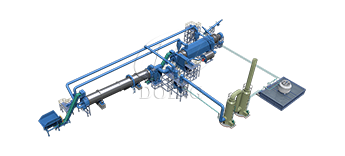
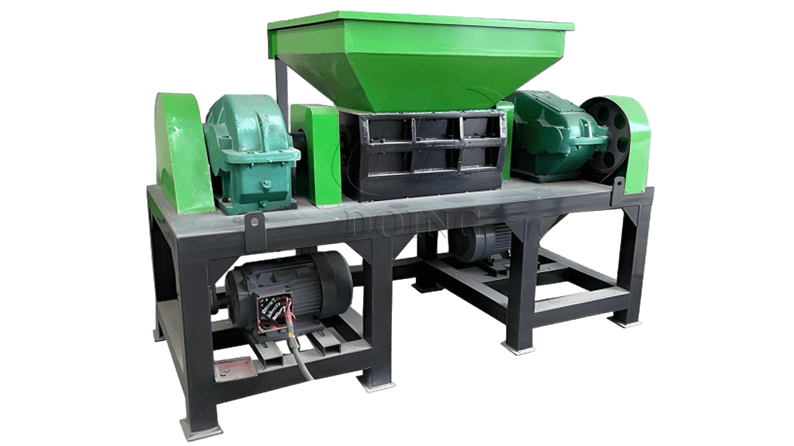
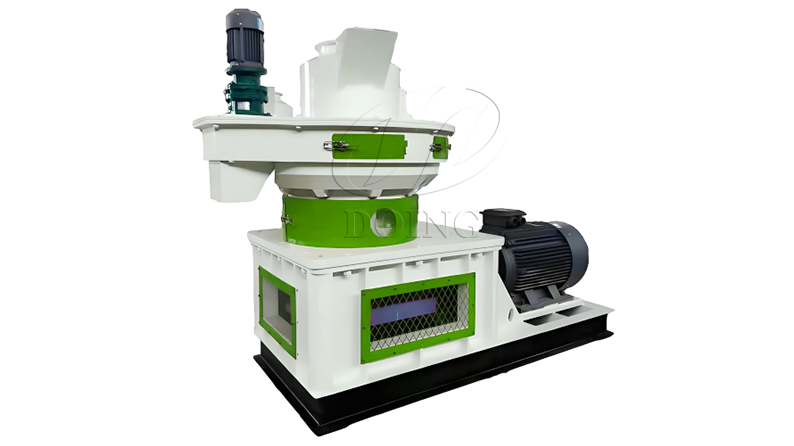
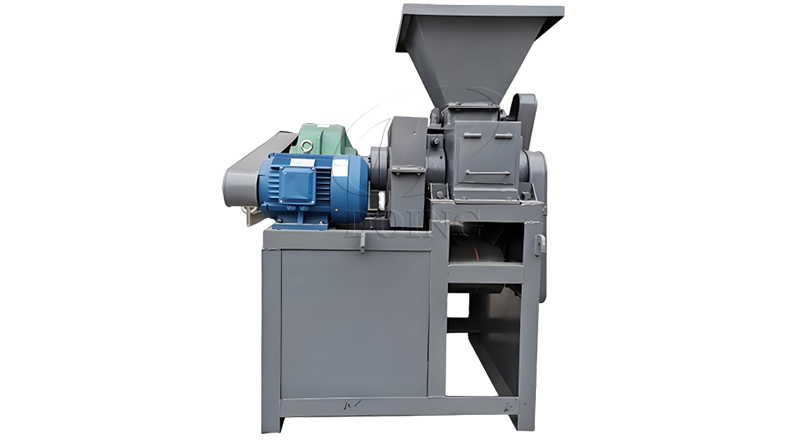
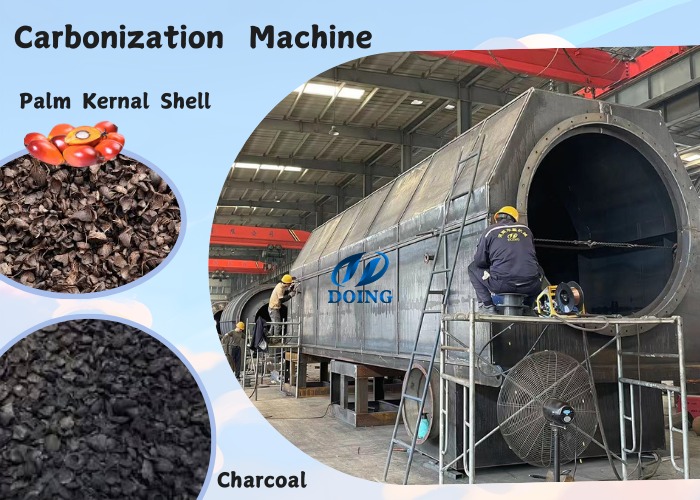 Palm oil processing wastes to biochar production unit
Henan Doing Company specializes in biochar production units with solutions designed for processing various agricultural and industrial waste, including palm oil wastes: Tailor-made solutions based on your waste type, processing volume and final biochar application needs. We also provide support in equipment selection, process design, and installation guidance, making it easier for customers to start and operate their projects.
If you are exploring avenues to transform palm oil waste into valuable biochar, we invite you to contact us at any time. The DOING team looks forward to engaging in in-depth discussions with you, providing expert consulting services, and working together to drive the green transition and sustainable development of the palm oil industry.

Please provide us with project information as much as possible.