
Amendment 42-24 to the International Maritime Dangerous Goods Code (IMDG Code) officially entered into force in early 2026. Under this amendment, coconut shell charcoal has been explicitly classified as a Class 4.2 hazardous good (substances liable to spontaneous combustion), assigned UN Number UN1361, and designated a Packing Group of at least III. This regulatory shift directly impacts the global international trade, production, and supply chain landscape for coconut shell charcoal.
1. Rising Logistics Costs: As coconut shell charcoal transitions from general cargo to dangerous goods for maritime transport, shippers must incur additional expenses—such as surcharges for hazardous goods cargo space and specialized insurance—resulting in a 30% to 80% increase in overall freight costs. Furthermore, vessel booking lead times have lengthened, and non-compliance now carries severe penalties, including cargo repatriation and substantial fines.
2. Higher Market Entry Barriers: Exports now require a comprehensive suite of documentation, including hazardous property classification reports, Material Safety Data Sheets (MSDS), and certificates for dangerous goods packaging. Consequently, enterprises lacking the necessary qualifications are gradually being edged out of the international market, leading to increased industry consolidation.
3. Reshaping of Supply and Demand Dynamics: Raw material-exporting nations—particularly those in Southeast Asia—face increased compliance costs, leading to a contraction in production capacity. Globally, the coconut shell charcoal market is exhibiting a trend of "decreasing volume coupled with rising prices," as the supply of compliant products struggles to keep pace with demand.
In light of this new regulation, existing manufacturers of coconut shell charcoal are advised to adopt the following recommendations regarding packaging compliance:
1. Packaging Compliance: Strictly utilize UN-certified, moisture-proof, and sealed packaging rated at Packing Group III or higher. Ensure full compliance with the requirements of Packing Instruction P002, IBC Instruction IBC08, and Tank Instruction T1. Affix Class 4.2 "Substances Liable to Spontaneous Combustion" warning labels in accordance with regulatory standards. For unpackaged products, a mandatory weathering period of 14 days is required prior to packing; alternatively, packing may be conducted within an inert gas environment. In all instances, the product temperature at the time of packing must not exceed 40°C.
2. Documentation Preparation: Proactively secure all requisite documentation—including CNAS-accredited hazardous property classification reports, bilingual (English and local language) MSDS, and certificates for hazardous goods packaging intended for export. Ensure that all information aligns precisely with the UN1361 standard to prevent customs clearance delays or obstructions.
3. Logistics Management: Engage with reputable, specialized maritime shipping services designated for Class 4.2 hazardous goods. Clearly define and adhere to container loading specifications: maintain a minimum clearance of 30 cm between the top of the cargo and the container ceiling, and ensure that stacking height does not exceed 1.5 meters. Strictly prohibit the fraudulent misdeclaration of dangerous goods as general cargo.
The industry shakeout triggered by the new IMDG regulations is not merely a challenge; it has also unleashed investment dividends within the global coconut shell charcoal production industry, precisely addressing the rigid demand of the international market.
1.Heightened Barrier Dividends and Reduced Competitive Pressure: As 90% of unqualified and non-compliant small-to-medium-sized manufacturers and traders exit the international market, the industry's competitive landscape has been thoroughly optimized. Investing in compliant coconut shell charcoal production projects allows one to rapidly capture vacant market share without getting entangled in "cutthroat" price wars. By leveraging compliance credentials to establish a differentiated competitive advantage, investors can secure a stable client base for the long term.
2. Expanding Profit Margins and Substantial Returns: The global coconut shell charcoal market boasts a Compound Annual Growth Rate (CAGR) of 4.9%. This growth is further bolstered by the "compliance premium" and "raw material scarcity premium" resulting from the new regulations, leading to a continuous rise in the export unit prices of high-end coconut shell charcoal and deep-processed products. Furthermore, as a renewable agricultural waste product, coconut shell offers a wide range of sources and features low, stable procurement costs—eliminating the risk of raw material depletion. The per-ton profit margins far exceed those of traditional charcoal, coal, and ordinary biomass charcoal projects, ensuring that the Return on Investment (ROI) remains consistently high.
3. Inelastic Market Demand and Promising Sector Prospects: Coconut shell charcoal is widely utilized in international sectors such as water purification, industrial waste gas treatment, precious metal extraction, and food and pharmaceutical purification. Moreover, serving as a precursor for hard carbon anodes in sodium-ion batteries, it aligns perfectly with global trends in the new energy industry, where demand continues to surge. Coupled with the contraction of production capacity in traditional raw material-exporting nations (such as those in Southeast Asia), the global market faces a supply shortage of compliant coconut shell charcoal. Consequently, investment projects can anticipate robust sales and production, demonstrating exceptional resilience against market fluctuations and inflation.
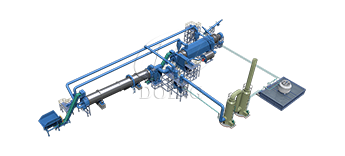
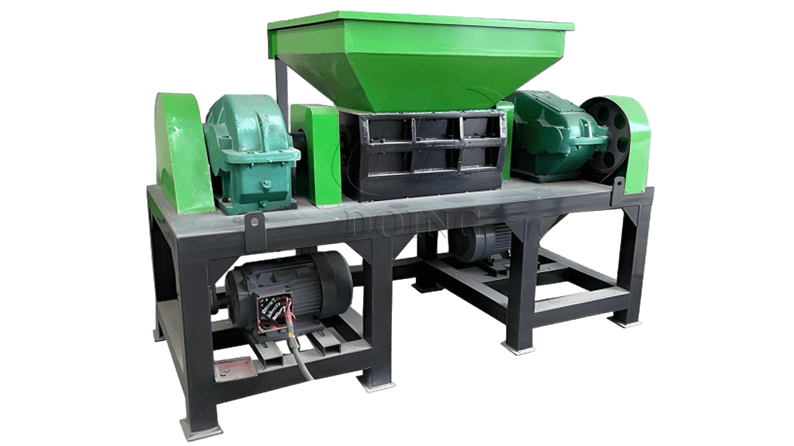
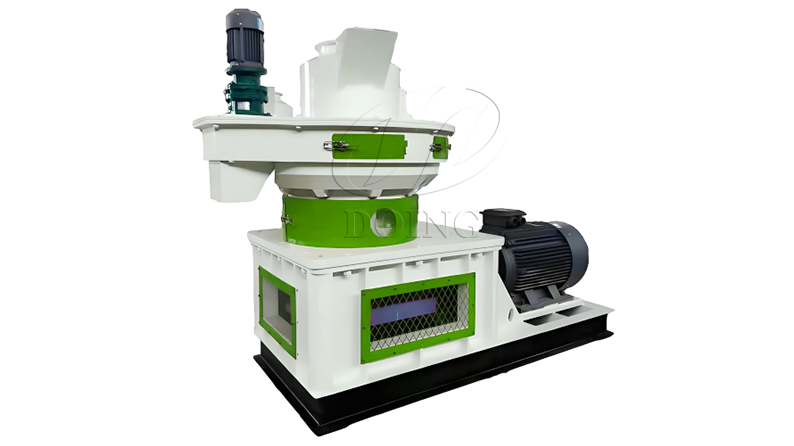
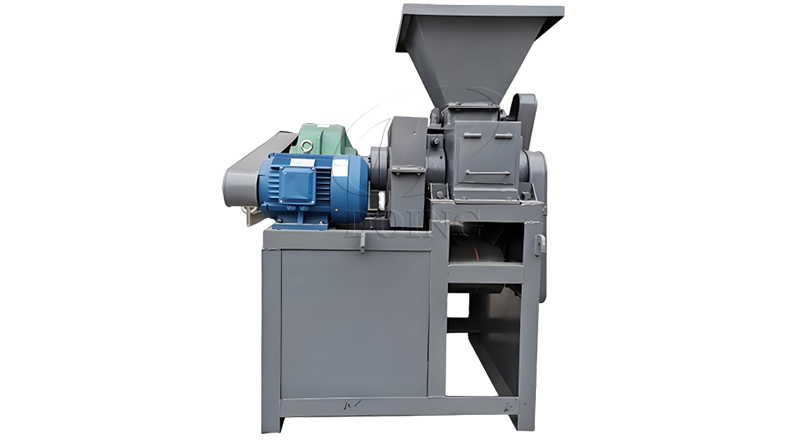
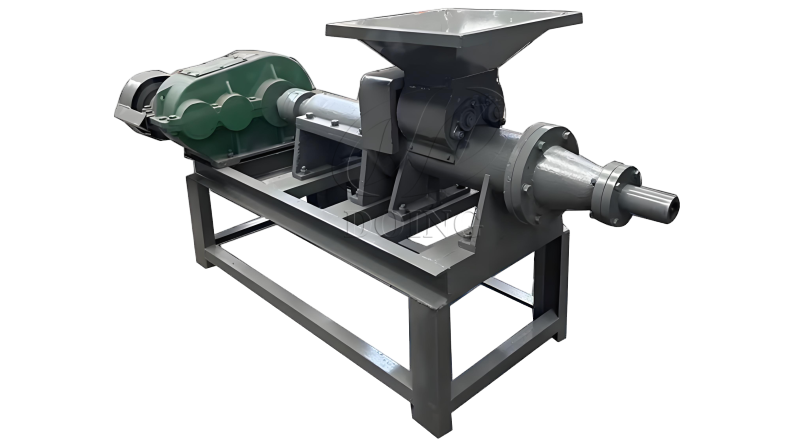
4. Comprehensive Support for Establishing Coconut Shell Charcoal Production Plants: As a specialized manufacturer of charcoal making equipment, Henan Doing Company offers investors end-to-end support throughout the entire process. We supply coconut shell charcoal making machine that meets international standards—featuring enclosed systems with temperature control, safeguards against spontaneous combustion, and compliant exhaust gas emissions. This effectively minimizes the residual content of unreacted volatile matter, enhances the thoroughness of carbonization, and fundamentally reduces the probability of spontaneous combustion in coconut shell charcoal.
Besides that, we provide a one-stop service package that includes plant planning, customized equipment selection, and technical training. This comprehensive support enables investors to rapidly commence production and achieve profitability, thereby significantly lowering both the investment threshold and operational risks.
This opportunity in coconut shell carbonization production is open to all interested parties—including existing biomass energy practitioners, cross-border trading enterprises, and investors in the new energy and environmental protection sectors. Whether you are looking to upgrade and expand within the industry or venture into a new field to capitalize on emerging opportunities, you can leverage the favorable tailwinds of recent regulations to secure substantial returns in the international market! We warmly invite all investors to consult with Henan Doing Company; we are ready to provide personalized, one-on-one investment proposals tailored specifically to your coconut shell charcoal making machine needs.

Please provide us with project information as much as possible.