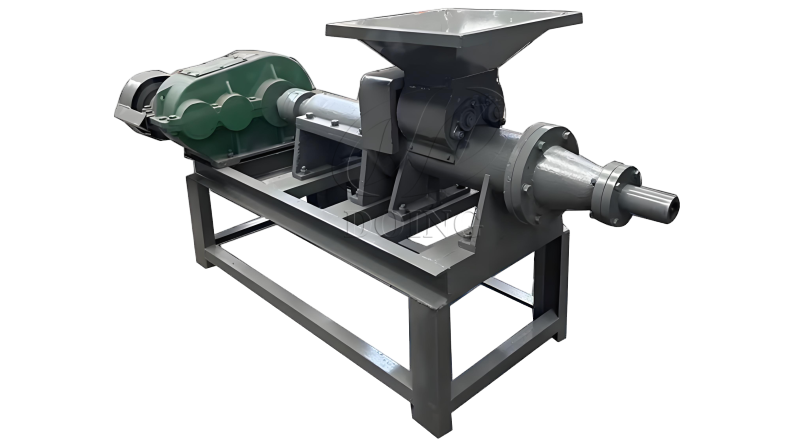

Lump charcoal is widely recognized as one of the most natural and versatile charcoal products on the market. From barbecue grilling to industrial fuel, it is valued for its pure composition, strong heat output, and minimal additives. For entrepreneurs and manufacturers entering this field, understanding the real production process helps avoid outdated methods and build a sustainable charcoal business.
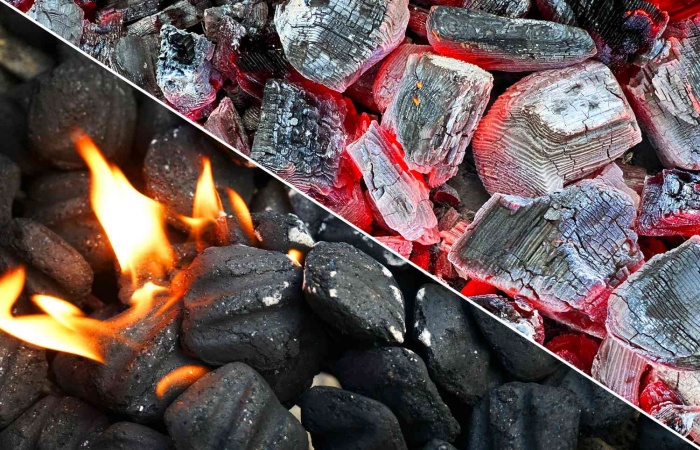 Lump charcoal vs. charcoal briquettes: a comparison
Put simply, lump charcoal is produced directly from natural biomass such as wood, bamboo, or coconut shell through carbonization. Unlike briquettes, it is not crushed or molded. The shape comes from the original raw material, which allows it to burn hotter and cleaner while keeping a natural structure. Here is a detailed guide to making lump charcoal in 3 steps:
Step One: Selecting Suitable Raw Materials
The quality of lump charcoal starts with raw materials. Hardwood, bamboo, and coconut shells are commonly used due to their density and stable carbon content. The raw material should be relatively clean and properly dried before processing. Drying helps ensure consistent carbonization and reduces excessive smoke during production. When planning the steps for making lump charcoal, spending time on raw material preparation makes a noticeable difference in the final product.
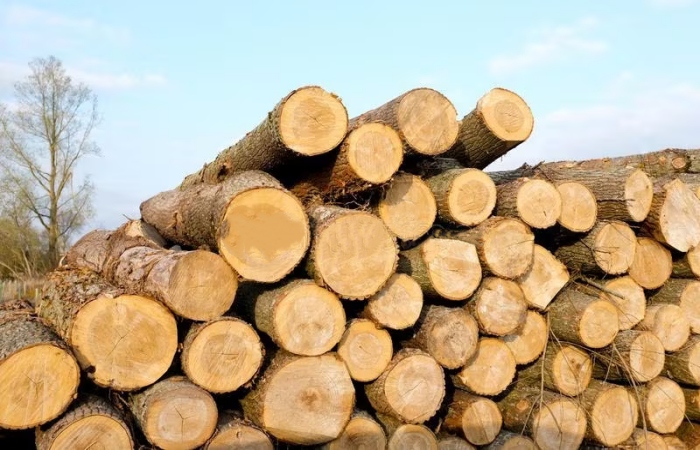 The raw materials for lump charcoal
Step Two: Carbonization Process
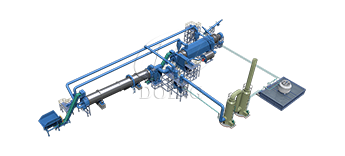
Carbonization is the core part of the block charcoal production process. Raw materials are heated in an oxygen-limited environment so volatile components are released while the solid carbon structure remains. Traditional earth kilns and metal kilns for making charcoal are still found in some regions, but modern lump charcoal manufacturing equipment offers better temperature control, higher efficiency, and improved environmental performance. For example, systems with gas recycling can reuse combustible gases for heating, which reduces fuel consumption and smoke emissions. Automated control also lowers labor intensity and keeps charcoal production more stable. Henan Doing Holdings Co., Ltd. builds its carbonization systems around these practical points, so the equipment delivers even heating and uniform carbon quality. As a result, the finished lump charcoal burns with consistent characteristics across different production batches.
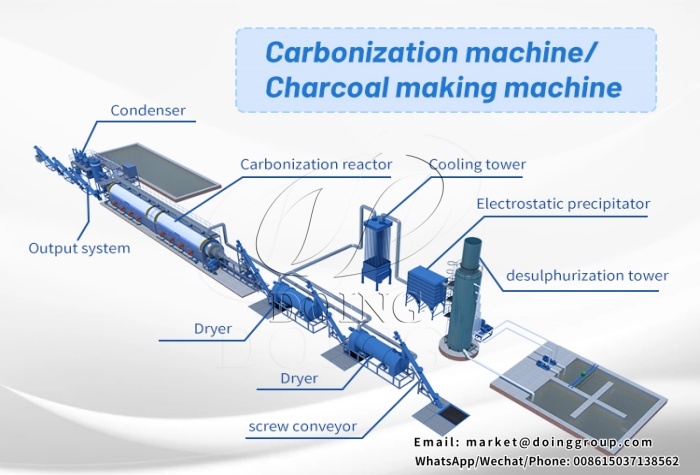 DOING charcoal production line
Step Three: Cooling and Discharging
After carbonization, lump charcoal must be cooled properly before it is exposed to air. Controlled cooling prevents spontaneous combustion and helps preserve the charcoal structure. Once the material has cooled down, it can be discharged, sorted, and prepared for packaging or further processing. This step is an essential part of any reliable block charcoal production process.
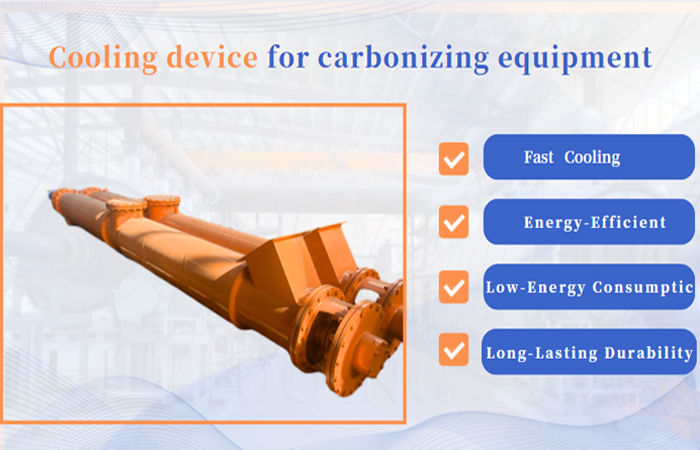 Carbonization cooling and discharge equipment
Beyond the core production steps, choosing an experienced equipment supplier is just as important as selecting the right raw material. Henan Doing Holdings Co., Ltd. is a professional manufacturer specializing in biomass carbonization and pyrolysis equipment. Their systems are suitable for producing lump charcoal from various raw materials, supporting both small-scale operations and industrial projects. Rather than offering generic machines, they provide practical solutions that match real production conditions, including raw material evaluation, equipment selection, plant layout guidance, installation support, and operator training.
If you are looking for reliable lump charcoal manufacturing equipment and professional guidance, Henan Doing Holdings Co., Ltd. is ready to support your project with proven technology and straightforward working solutions.

Please provide us with project information as much as possible.