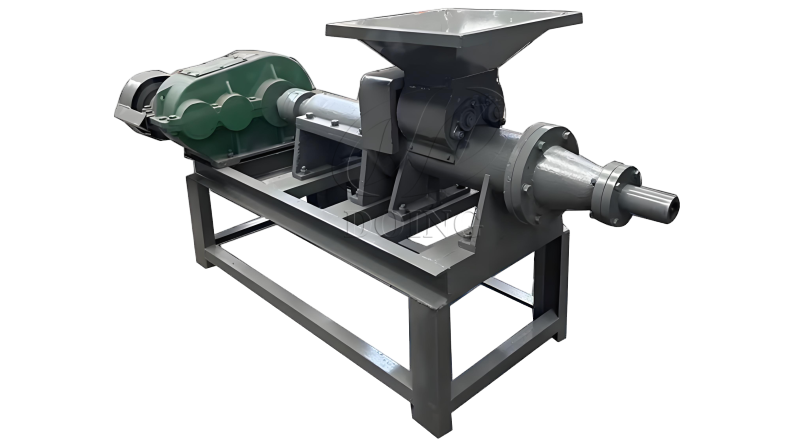

When people first explore biochar production, one of the most common questions they ask is surprisingly simple: What temperature is required for biochar production? In reality, biochar production is not completed instantaneously at a single temperature; rather, it is a multi-stage pyrolysis and carbonization process that proceeds as the temperature rises in steps.
The free water and bound water within the feedstock evaporate upon heating, while the chemical composition and physical structure of the material remain essentially unchanged.
Product: Water vapor.
This is the primary reaction stage of biochar production. At approximately 300°C, organic macromolecules such as cellulose, hemicellulose, and lignin begin to decompose rapidly; chemical bonds break, forming various small-molecule products.
Products: Large amounts of volatile matter and biochar.
The residual solid product undergoes further polycondensation and aromatization. Carbon atoms rearrange to form a more stable and ordered graphitic microcrystalline structure. This is the key to the ultimate high stability of biochar.
Product: High-stability final biochar.
It is important to note: Temperature determines how completely volatile components are released and how stable the remaining carbon structure becomes. Different temperatures lead to different types of biochar, even when the same raw material is used.
Lower-temperature production generally preserves more volatile components and functional groups. This type of biochar is often preferred for agricultural use, especially for soil improvement and compost blending, where interaction with microorganisms is important.
This is the most common choice for commercial biochar production. It provides a balance between carbon stability, porosity, and production efficiency. Medium-temperature biochar is suitable for a wide range of applications, including agriculture, fuel use, and environmental treatment.
High-temperature production results in a more stable carbon structure with lower volatile content. This type of biochar is often used for industrial purposes, such as adsorption, filtration, or as a precursor for further carbon processing.
However, higher temperature does not automatically mean better biochar. The “right” temperature depends on the raw material, the final application, and the production system. In many cases, excessively high temperature increases energy consumption without improving biochar product value. Consequently, modern biochar production machine focuses on stable and adjustable temperature control rather than extreme heating.
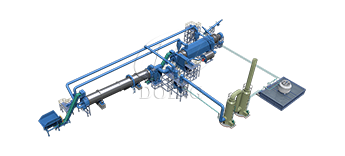
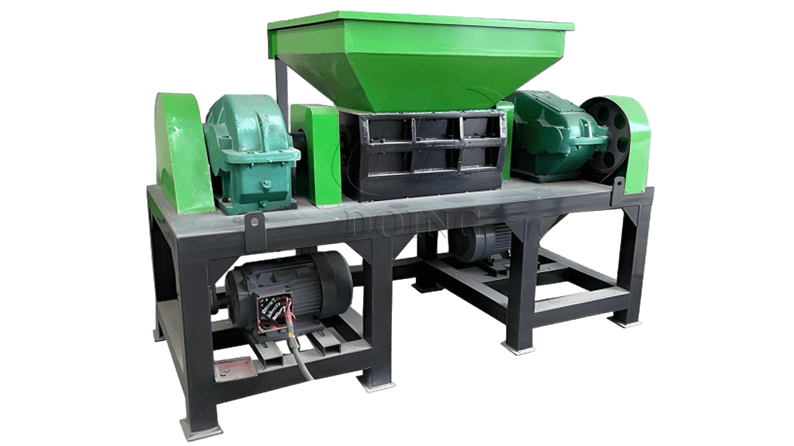
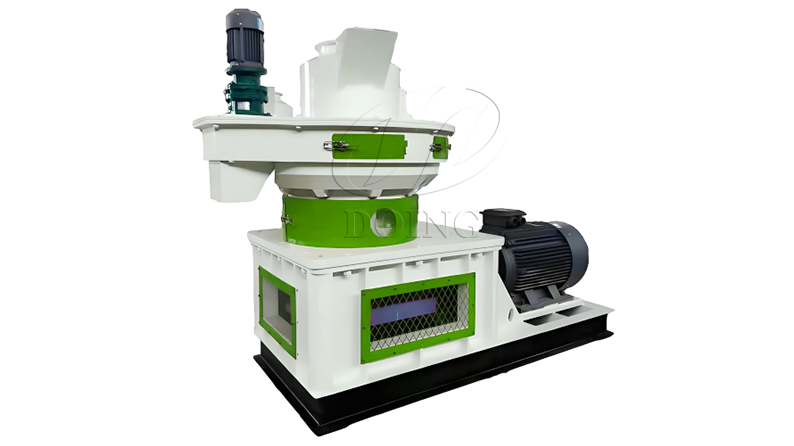
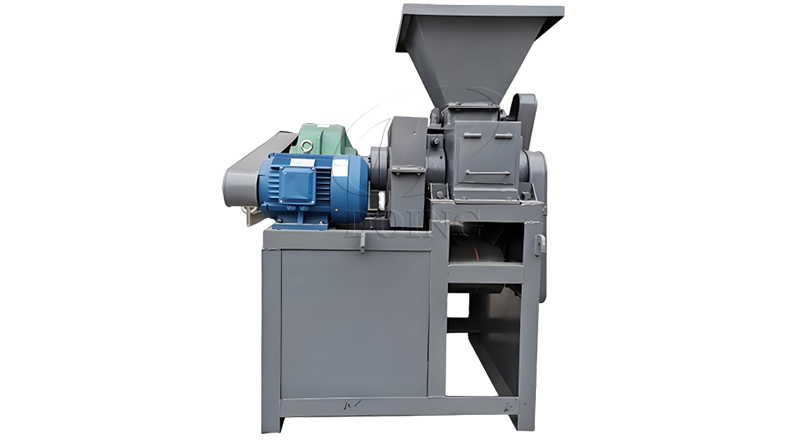
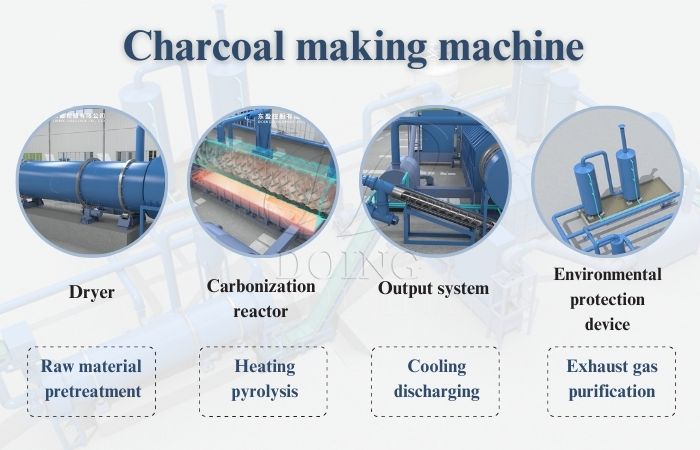 Doing Company biochar production machine
Henan Doing Company designs biochar production systems that allow operators to adjust temperature according to raw material and market demand. Instead of forcing one fixed setting, our equipment provides flexibility and long-term operational stability: through controlled feeding, oxygen-limited reactors, and pyrolysis gas reuse, the system maintains a consistent operating environment.
In summary, the optimal temperature for biochar production should be matched to your feedstock, intended product application, and production system. Henan Doing Company provides complete biochar production solutions, from raw material analysis and equipment selection to plant layout guidance and installation support. Our goal is to help customers produce the right biochar for their market, not just reach a certain temperature.
If you are planning a biochar project and want professional guidance on temperature control and equipment selection, Henan Doing Company is ready to support you with practical experience and reliable technology.

Please provide us with project information as much as possible.



Copyright © 2015-2026 DOING Holdings - Henan Doing Environmental Protection Technology Co., Ltd | Privacy Policy | All Rights Reserved