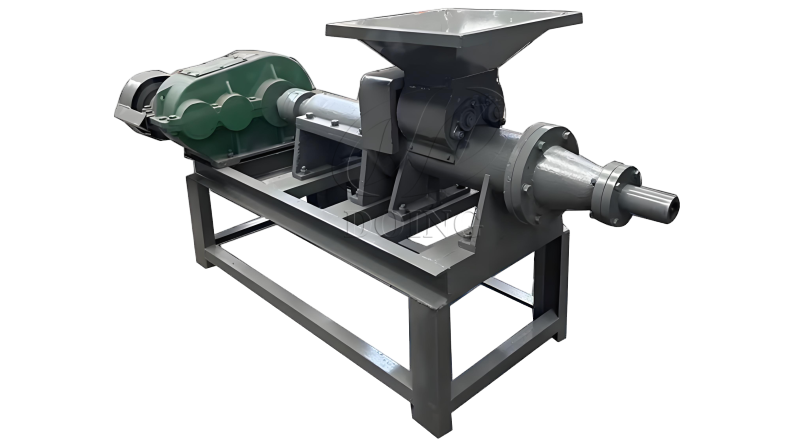
What is a charcoal making machine and how does it work?
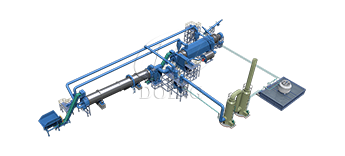
A charcoal making machine, also called ca is a biomass pyrolysis system that converts organic feedstock into charcoal and by products (wood vinegar, bio-oil, and combustible gas)under limited oxygen. The process typically includes drying the feedstock, heating to initiate pyrolysis, carbonization of volatile components, and cooling the solid char.
What types of feedstock can be processed?
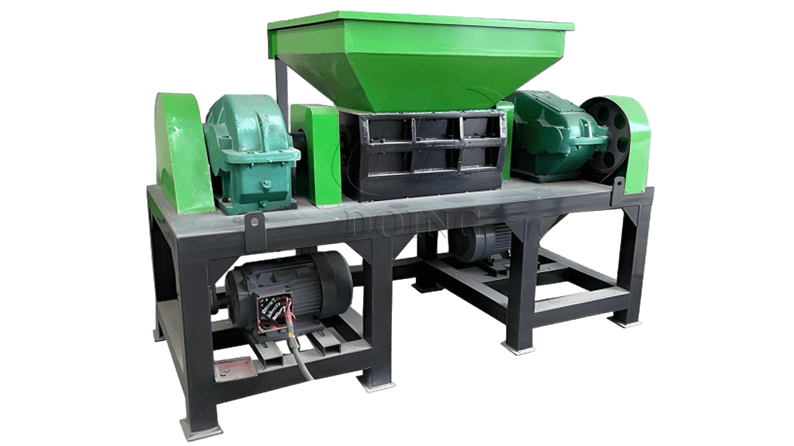
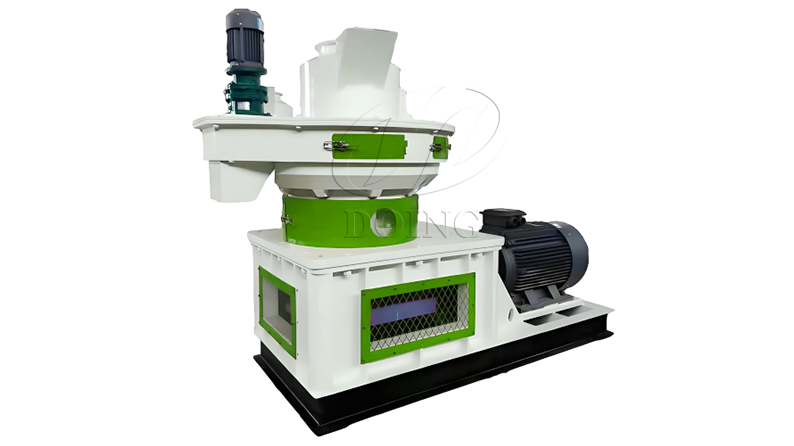
Most systems handle a wide range of biomass, including wood waste (sawdust, chips, shavings), agricultural residues (straw, stalks, husks), forestry residues, energy crops, and some municipal green or yard waste. Feedstock moisture, particle size, and consistency influence performance, so pre-processing (shredding, pelletizing) is often recommended for optimal results.
What is biochar, and what's the charcoal application?
Biochar is essentially charcoal produced from biomass. Biochar can be used as a solid fuel for energy supply, as a soil conditioner and organic fertilizer, and also has carbon sequestration function.
What byproducts are produced in biomass pyrolysis process, and how can they be utilized?
Common biomass pyrolysis byproducts include wood vinegar (pyroligneous acid), tar, bio-oil, and syngas. Wood vinegar can be used in agriculture or as a chemical feedstock; tar and bio-oil have industrial applications or can be refined into fuels. Syngas can provide process heat or be cleaned for power generation.
What throughput can I expect from different biomass pyrolysis machine configurations?
Throughput depends on biomass feedstock and desired biochar characteristics. Typical biomass feedstock ranges are:
Batch charcoal making machines: 1-15ton per day.
Semi-continuous biochar production systems: around 5–20 tons per day.
Semi-continuous biochar production systems: around 5–20 tons per day.
Fully continuous cabonization furnaces: 1-5+ tons per hour.
Exact figures vary with moisture content, feedstock type, reactor design, and whether byproducts are collected for energy recovery.
What is the difference between fully-continuous, semi-continuous, and batch charcoal making machines?
Fully-Continuous: Designed for high-volume, 24/7 operation with automated feeding and discharging. Ideal for large industrial scales requiring maximum output and minimal manual intervention.
Semi-Continuous: Offers a balance of automation and flexibility. Material is fed and pyrolyzed continuously, but discharged in cycles. Suitable for medium-to-large scale operations.
Batch: The simplest type where the chamber is loaded, run through a full pyrolysis cycle, and then unloaded. Best for smaller operations, testing new materials, or when production needs are intermittent or smaller scale.
What are the specific feed requirements for continuous carbonization plant?
The typical requirements for biomass feedstock in continuous carbonization plant are: a particle size less than 20 mm, ideally 8-12 mm, and a moisture content generally less than 15%.
How many tons of raw materials can a continuous carbonization furnace produce one ton of charcoal?
The charcoal yield depends on the material properties and the carbonization conditions. For example, for wood chips, rice husks, and crushed coconut shells, a ton of material with a moisture content below 10% can yield 260-310 kg of finished charcoal, maintaining a 3:1 charcoal yield, meaning 3 tons of raw material yields one ton of charcoal.
How much does a charcoal making machine cost and what is the expected ROI?
The charcoal making machine investment cost varies with model, throughput, production line equipment configuration options. The sales prices of charcoal making equipment is about USD20,000-USD1,650,000. Opex includes energy, maintenance, feedstock handling, and consumables. ROI improves with higher throughput, efficient energy capture, stable byproduct sales, and reduced waste disposal costs. For accurate figures, a site-specific quote and a details business plan should be prepared.
Are these biochar production plant energy-efficient? Do they recover energy?
Yes. Modern biochar production plants optimize energy use through combustile-gas cleaning and heat recovery loops. The recovered syn-gas energy can be reused for heating carbonization furnaces, reducing external fuel consumption and lowering operating costs.
Is the smoke emission of biomass pyrolysis plant compliant with EU/US environmental standards?
Yes. Our biomass pyrolysis plants integrate multiple-stage treatment devices, such as dust removal, spray tower acid gas neutralization, activated carbon adsorption, etc.