
Agricultural waste is produced in large quantities around the world. Rice husks, straw, corn stalks, coconut shells, bagasse, fruit shells, palm waste, livestock and poultry manure, and other residues are generated during harvesting and agricultural processing. For farms and agricultural processing businesses, handling these materials can mean extra costs for collection, storage, transportation, and disposal. Open burning can also cause smoke and air pollution, while simply leaving the waste to decompose means that much of the biomass resource is lost.
Biochar making provides a way to manage these agricultural residues while making better use of the carbon and energy contained in the biomass. Depending on the type of waste and the customer's goals, carbonization can turn agricultural residues into fuel, retain carbon in a stable form, or produce biochar for agricultural use.
When managing agricultural waste, one straightforward approach is to convert suitable biomass residues into carbonaceous fuel through a biochar production process. Agricultural residues such as coconut shells, crop straw, wood residues, bamboo, corn stalks, empty fruit bunches (EFB), palm kernel shells (PKS), pig manure, chicken manure, and other biomass contain carbon and energy that would otherwise be lost through disposal or uncontrolled burning.
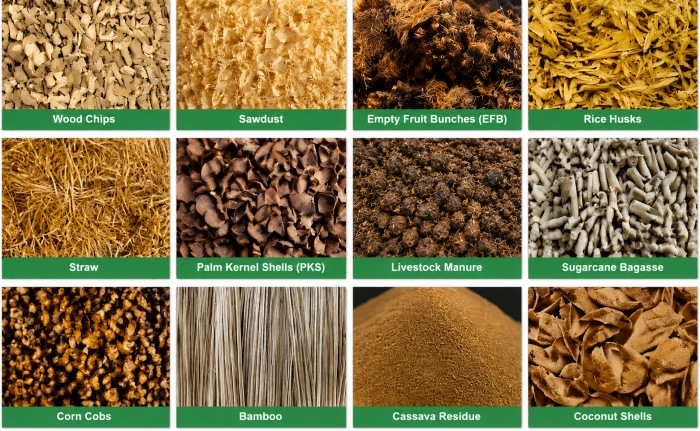 Agricultural waste suitable for carbonization
Through controlled carbonization, these materials can be converted into charcoal that can be used as fuel. The charcoal can also be further processed into charcoal sticks or briquettes for easier storage, transportation, and sale. The market price for biochar made from agricultural waste generally ranges from $300 to $800 per metric ton, depending on the raw material, quality, processing method, and market.
For farms and agricultural businesses with a steady supply of biomass residues, this means agricultural waste can become a usable product instead of a disposal cost. Businesses can use the produced charcoal themselves or sell it as a fuel product, depending on local demand.
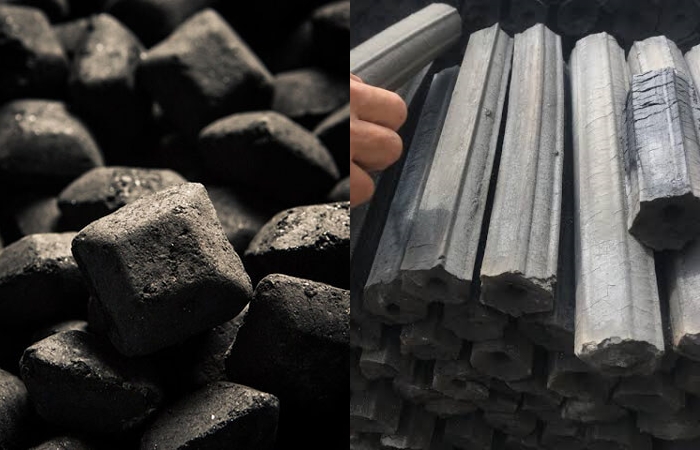 Carbon rods and carbon blocks
The actual application of carbonized agricultural waste also varies from one market to another. In East Asia, including Japan, South Korea, and China, agricultural and forestry residues such as bamboo waste, rice husks, and crop straw are commonly processed into dense charcoal sticks for barbecue, household heating, and industrial drying. In Europe, North America, and Australia, there is more focus on industrial fuel applications and combining biomass carbonization with carbon management, with carbonized biomass used for industrial heating or other solid fuel applications. In emerging markets such as Brazil and India, agricultural waste carbonization can also help reduce open burning, while the resulting fuel may be used locally or processed into pellets for export.
These different applications show that agricultural waste carbonization is not limited to producing one type of charcoal. The final product can be adjusted according to the available biomass, local market, and intended use.
Besides producing usable fuel, biochar making can also turn agricultural waste into a more stable form of carbon.
During high-temperature pyrolysis, the organic structure of agricultural biomass breaks down and part of its carbon is converted into a more stable, carbon-rich structure. When the resulting biochar is applied to soil under suitable conditions, this stable carbon can remain in the soil for hundreds of years, making biochar a long-lasting way to retain biomass carbon.
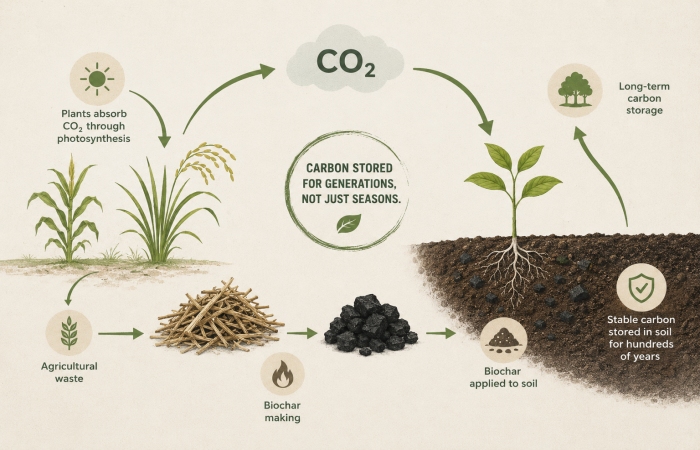 Agricultural waste management through biochar making
For agricultural businesses interested in carbon sequestration, this provides another way to manage crop residues while keeping more of their carbon in a stable form. According to the project conditions and carbon accounting methods, one ton of biochar can represent approximately 1.5–2 tons of CO₂ equivalent in carbon storage. Biochar carbon removal projects may also qualify for carbon credit programs, with some carbon removal credits reaching prices of up to $180 per ton in international markets.
Of course, the actual carbon removal value and credit price depend on factors such as biochar properties, feedstock, certification standards, project methodology, and market conditions. For businesses looking at agricultural waste from a carbon management perspective, however, biochar provides an additional value stream beyond conventional waste disposal.
Another practical option is to return the biochar produced from agricultural residues back to agricultural land.
After carbonization, biochar can be used as a soil amendment where appropriate. Its porous structure can help improve soil physical properties, water retention, and nutrient management. When combined with fertilizers to produce biochar-based fertilizer, it can also support more efficient use of agricultural inputs. Under suitable application conditions, biochar-based fertilizers have been reported to increase crop yields by 7%–17% while reducing fertilizer use by 20%–30%.
At the same time, the stable carbon contained in the biochar remains in the soil for a much longer period. This means the same agricultural waste can return to the farm in a different form after carbonization, rather than simply being removed or discarded.
This creates a practical cycle for agricultural businesses:
Agricultural waste → Biochar making → Biochar → Soil application
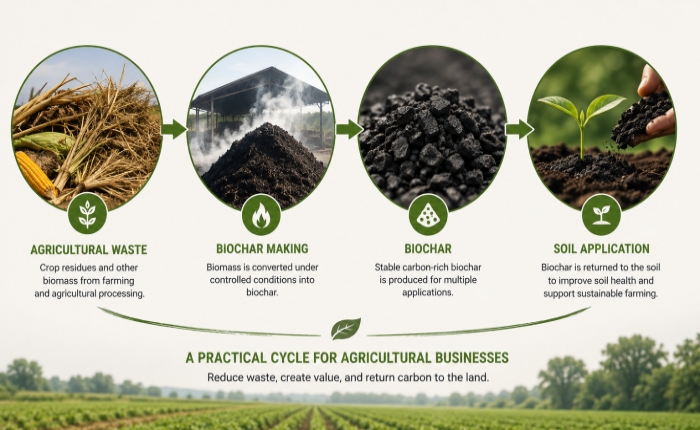 Agricultural waste to biochar for soil application
For farms that produce large amounts of crop residues, this approach can reduce the amount of biomass that needs to be removed from the farm while returning part of the carbon and biomass resources back to agricultural production.
The benefits of agricultural waste carbonization are not limited to fuel production, soil improvement, or carbon storage. The growing demand for permanent carbon removal, voluntary carbon markets (VCM), and agricultural decarbonization policies is also creating new opportunities for biomass carbonization projects. In addition, policies such as the EU's Carbon Border Adjustment Mechanism (CBAM), voluntary carbon market development, and agricultural green subsidies in different countries are encouraging businesses to pay more attention to carbon reduction and resource utilization.
For agricultural businesses, this means carbonization can become more than a way to handle waste. It can be part of a broader strategy that combines waste reduction, energy recovery, carbon sequestration, and agricultural resource utilization.
To make these benefits practical, however, the carbonization system needs to match the actual agricultural waste being processed.
Different agricultural wastes have different moisture levels, particle sizes, and physical properties. Rice husks, for example, behave quite differently from coconut shells or wood chips, while livestock manure also requires different preparation and handling conditions. Therefore, the carbonization system needs to be selected according to the feedstock, moisture content, required capacity, and the intended final product.
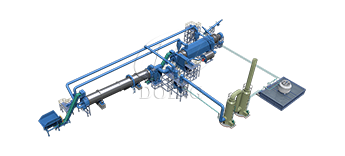
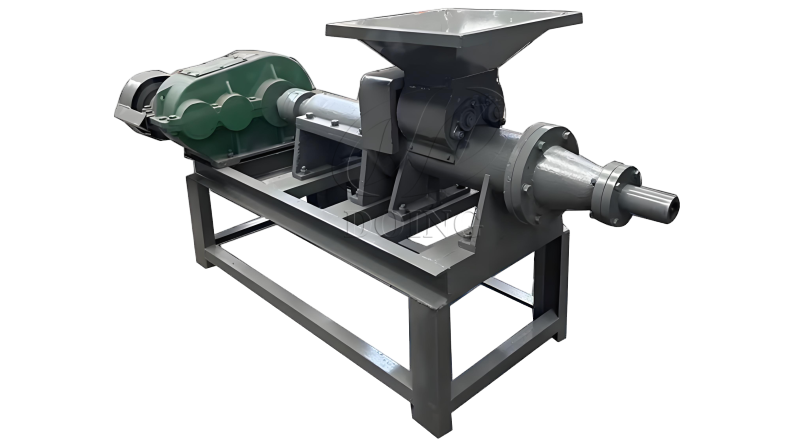
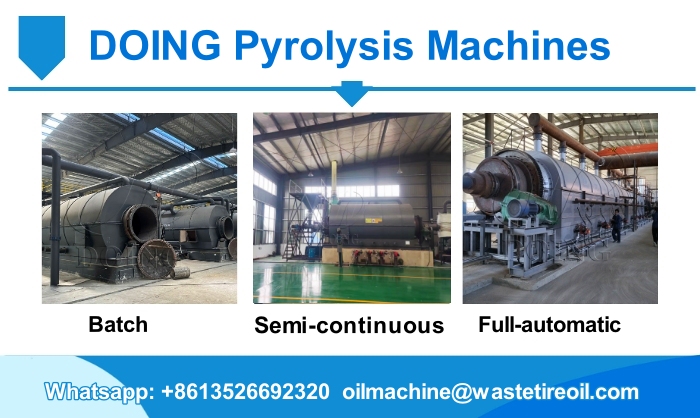 DOING different types of biomass pyrolysis equipment
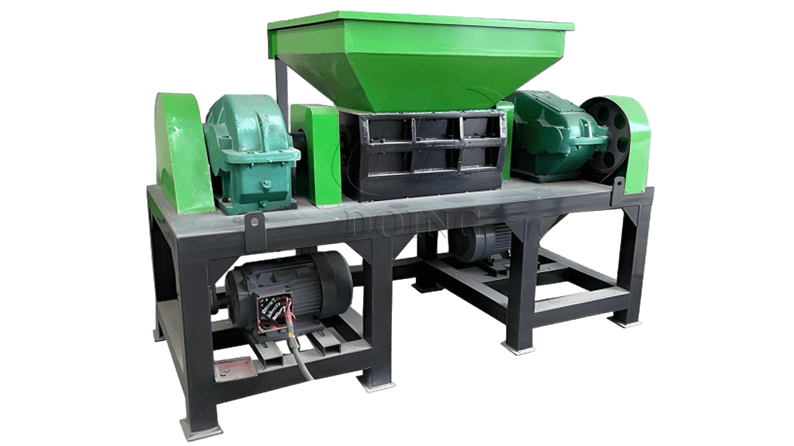
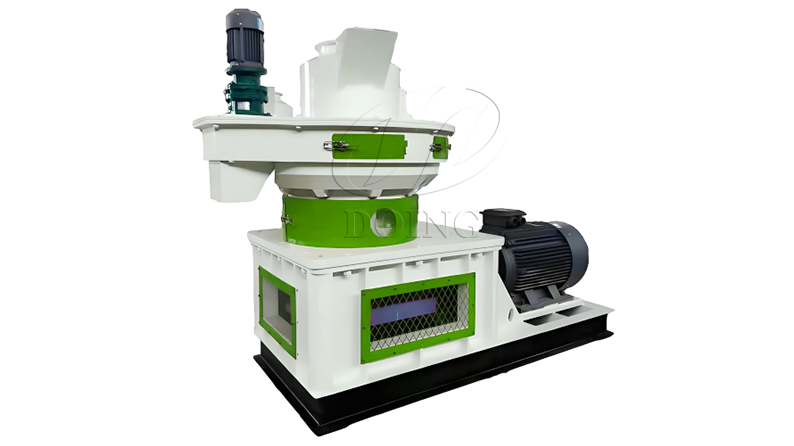
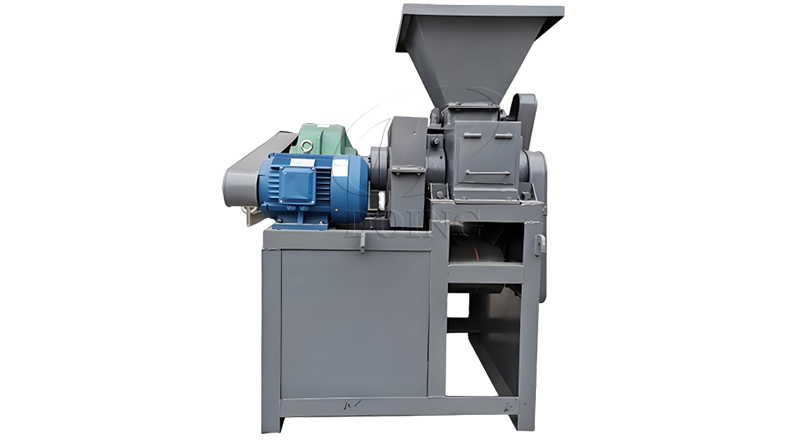
DOING provides batch, semi-continuous, and fully continuous biochar production equipment to suit different project scales, with capacities ranging from 500 kg/batch to 5 tons/hour. Depending on the raw material, the production line can also include dryers, biomass crushers, pellet machines, charcoal stick making machines, charcoal briquette presses, and other supporting equipment.
During carbonization, the combustible gas generated by the biomass can be recycled as heating fuel, helping reduce external energy consumption. Temperature and processing time can also be adjusted according to the feedstock and the desired charcoal or biochar properties. DOING's biochar production equipment can process a broad range of agricultural and forestry residues, including rice husks, corn stalks, straw, coconut shells, bagasse, bamboo, wood, palm waste, and other biomass materials.
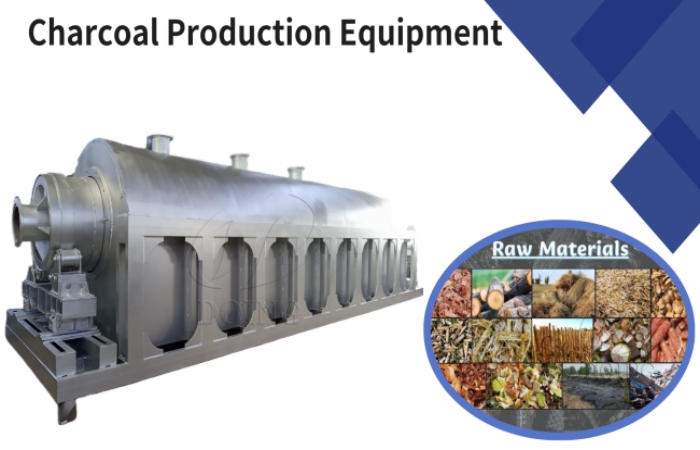 DOING charcoal production equipemnt
For agricultural waste management and recycling businesses, biochar production can address several needs at the same time. Agricultural residues can become fuel, part of their carbon can be retained in a stable form for long-term storage, and the resulting biochar can be returned to the soil. Which approach makes the most sense depends on the available biomass, local market, production capacity, and end-product goals. DOING offers biochar production equipment and complete biomass carbonization solutions built around these requirements, helping customers turn agricultural waste into useful products and create more value from biomass resources. If you're dealing with agricultural waste and considering carbonization, get in touch with us to discuss what type of process and equipment may fit your project.

Please provide us with project information as much as possible.



Copyright © 2015-2026 DOING Holdings - Henan Doing Environmental Protection Technology Co., Ltd | Privacy Policy | All Rights Reserved