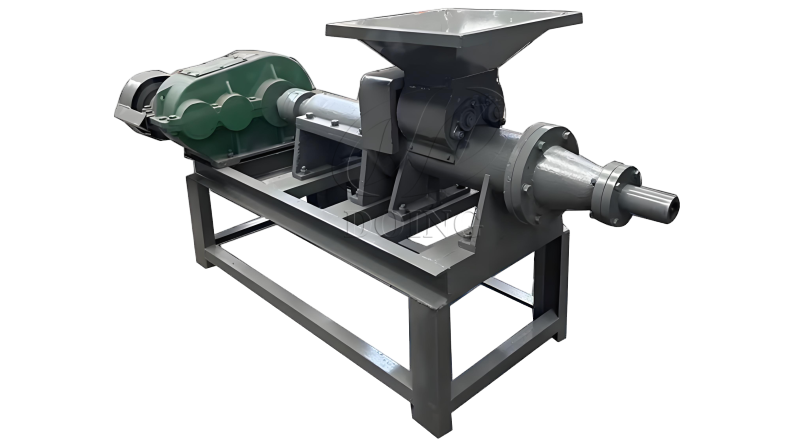

Driven by global goals for carbon peaking and carbon neutrality, biochar as a highly efficient negative-carbon technology, is garnering widespread attention across the agricultural, environmental protection, and carbon trading sectors. For many enterprises planning to invest in biomass recycling projects, one of the primary questions is: how much carbon dioxide can one ton of biochar sequester?
To calculate the amount of carbon sequestered by biochar, it is necessary to know its carbon content and chemical conversion ratio:
Typically, high-quality biochar produced via high-temperature pyrolysis and carbonization has a fixed carbon content ranging from 60% to 85% (depending on the raw material type and carbonization temperature).
In stoichiometric calculations, the mass ratio for the conversion of 1 tonne of carbon (C) into carbon dioxide (CO2) is approximately 3.67 (i.e., the ratio of the molecular weight of CO2, 44, to the atomic weight of carbon, 12).
Calculation formula
Assume the average carbon content of 1 ton of biochar is 75%.
Carbon content = 1 tonne × 75% = 0.75 tonnes of carbon.
Amount of sequestered CO₂ = 0.75 tonnes × 3.67 ≈ 2.75 tonnes.
Accounting for variations in biomass feedstocks (such as sawdust, fruit shells, and straw), the production of 1 ton of standard biochar can stably sequester approximately 2.5 to 3.2 tonnes of carbon dioxide. This means that for every ton of biochar produced and applied, not only is waste pollution reduced, but a "carbon sink" contribution is also made to global carbon emission reductions.
If your goal is carbon sequestration or long-term carbon storage, prioritize lignocellulosic biomass feedstocks with high lignin content, low ash content, and easy formation of stable char, such as:
①Highly lignified woody plants, such as hardwoods like oak, eucalyptus, and poplar, are the most stable natural raw materials with the highest lignocellulose content.
②Bamboo and high-lignin herbaceous plants, such as moso bamboo, skeletal bamboo, and miscanthus, grow rapidly and have extremely high cellulose and lignin ratios.
③Hard biomass such as coconut shells and fruit pits; these agricultural wastes are inherently hard and dense with stable physical structures, making them suitable for producing high-performance biochar.
Carbon sequestration is not only about the raw materials, it is also about how the biochar is produced. Poorly controlled systems may generate charcoal-like products with lower stability, reducing their long-term carbon value. Well-designed biochar making machine ensures that more carbon retains in stable form rather than being lost as gas, by scientifically controlling production conditions such as temperature and residence time.
The porosity, carbon content, and stability of biochar directly determine its value in soil amendment and carbon trading markets. The key to biochar quality lies in temperature control and the pyrolysis environment during the carbonization process.
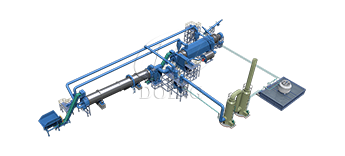
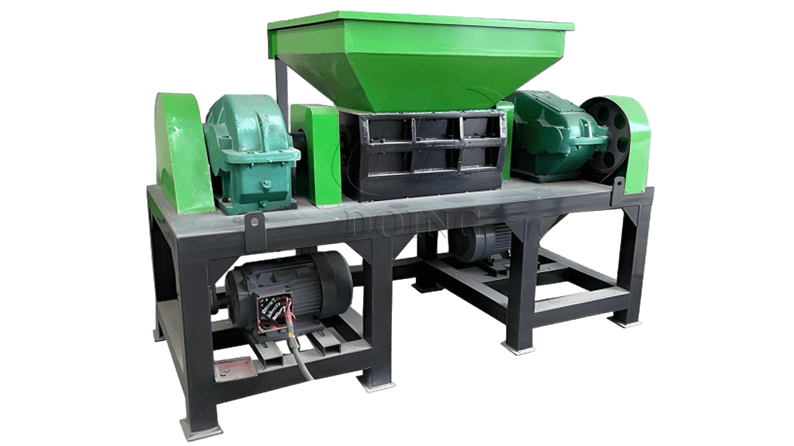
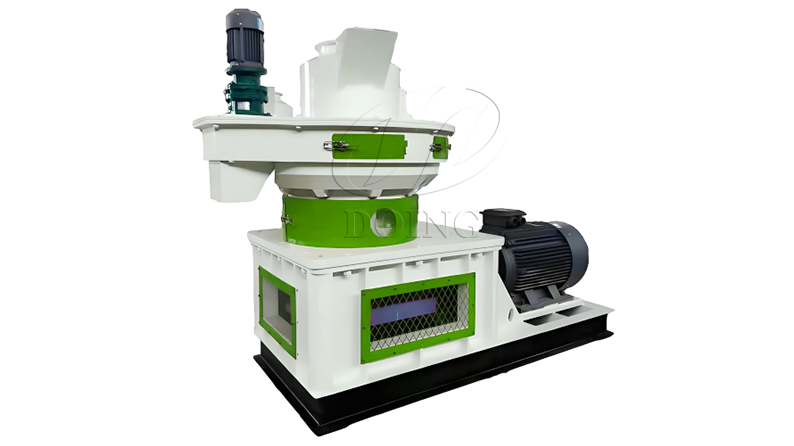
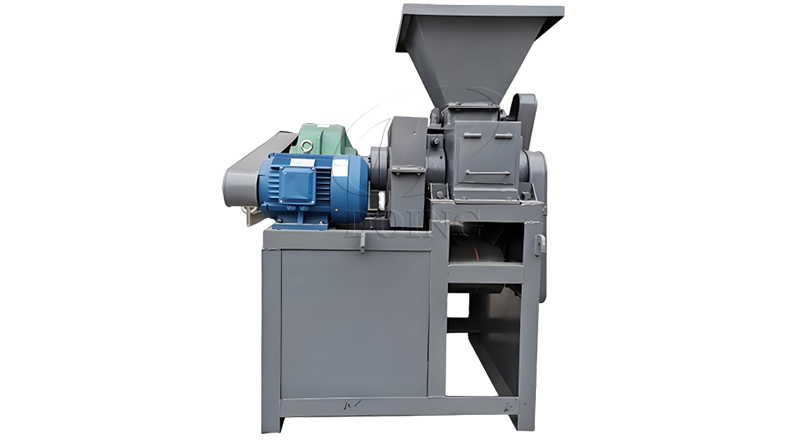
To meet the operational requirements of projects of various scales, Doing Company is dedicated to providing professiona and eco-friendly biochar making machine (biomass carbonization machine). Our equipment designs fully take into account the various needs of actual production:
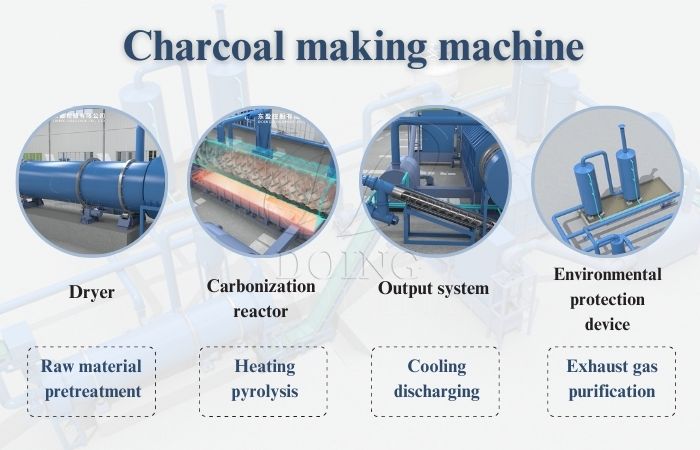 Biomass carbonization biochar making machine
Stable and Controllable Carbonization Process: Utilizes proven high-temperature pyrolysis technology to ensure the complete pyrolysis of biomass within a specified temperature range; the resulting biochar features high carbon content and consistent quality, meeting international market standards.
Eco-friendly and Energy-efficient Design: Equipped with a comprehensive combustible gas recovery system. Pyrolysis gases generated during the carbonization process are purified and recycled to heat the main carbonization unit, significantly reducing fuel costs associated with production and operation.
Continuous, High-efficiency Operation: Supports continuous feeding and discharging with high processing capacity; ideal for the large-scale processing of agricultural and forestry waste, thereby enhancing the project's overall return on investment.
Biochar is not only a valuable soil amendment but also a significant avenue for enterprises to participate in the global carbon cycle and generate revenue from carbon sinks. Transforming waste biomass into high-value biochar relies on reliable equipment. If you are considering entering the biochar industry or exploring carbon-related opportunities, Henan Doing Company is ready to provide professional equipment and practical project support.

Please provide us with project information as much as possible.



Copyright © 2015-2026 DOING Holdings - Henan Doing Environmental Protection Technology Co., Ltd | Privacy Policy | All Rights Reserved