
For projects that use crop residue to produce biochar, continuous carbonization equipment is a practical alternative to traditional charcoal kilns, especially when the operation requires continuous production, controlled processing and systematic gas management. Traditional kilns normally work in batches, while continuous systems feed biomass and discharge carbonized material on an ongoing basis.
The suitable choice depends on the feedstock, moisture, particle size, required capacity and target biochar properties. For commercial biomass processing, the main difference is not simply the heating method, but how consistently the entire production process can be operated and controlled.
Traditional charcoal kilns use batch carbonization. Biomass is loaded into the kiln, carbonized for a defined period and then unloaded before the next batch begins. This operating model can work for small-scale production, but it becomes less suitable when a project needs continuous material handling and steady processing.
Continuous carbonization equipment uses a different production model. Biomass enters the system continuously, passes through the carbonization process and exits as a carbonized product. This makes the two solutions different in production organization, process management and scalability.
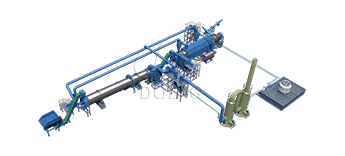
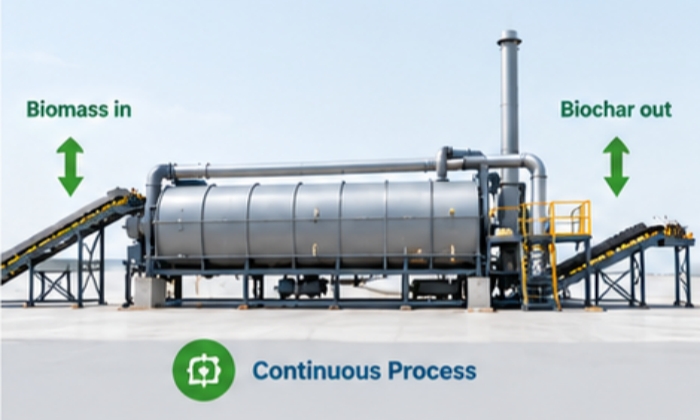 Continuous carbonization production process
| Factor | Traditional Charcoal Kiln | Continuous Carbonization Machine |
| Operating mode | Batch | Continuous feeding and discharge |
| Process control | Relatively limited | More controllable |
| Labor involvement | Typically higher | Lower manual intervention potential |
| Scalability | Batch production | Sustained commercial processing |
| Flue gas management | Depends on kiln design and emission-control system | Can be integrated with dedicated gas/flue gas treatment |
| Environmental control | Varies significantly by kiln design | More systematic process and emission management |
For a commercial crop-residue project, these differences become important when the priority shifts from simply making charcoal or biochar to maintaining a stable production process at a defined capacity.
Continuous carbonization suits crop residue because these materials are generated in large, seasonal volumes at low unit value. Continuous feeding and automatic discharge allow steady throughput without batch-wise loading and unloading, keep the reactor temperature more stable, and yield char at a predictable rate — provided the feed itself is prepared consistently.
Crop residue covers a wide range of agricultural by-products, including rice husk, corn cob, corn stalk, cotton stalk and other plant residues. These materials differ in moisture, particle size, bulk density and physical structure, so they cannot always enter a carbonization system in the same condition.
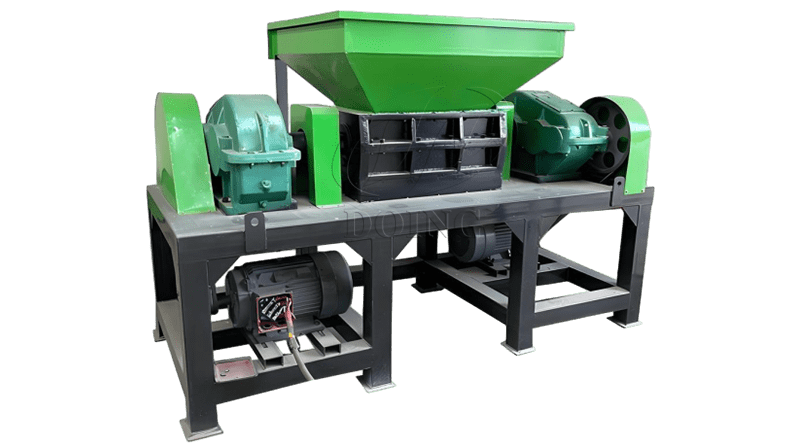
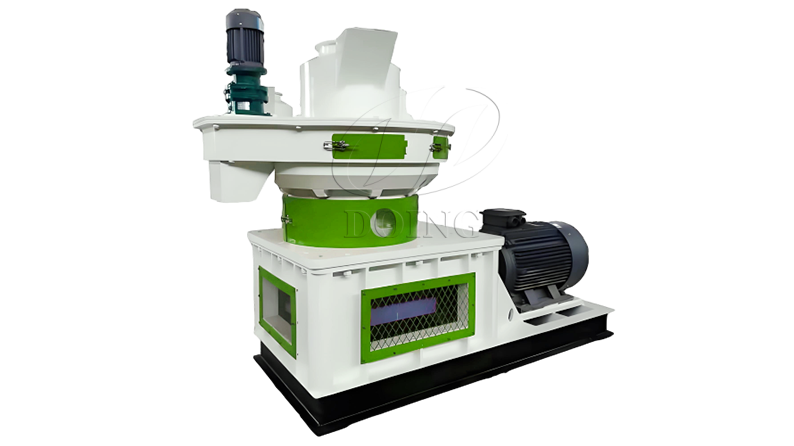
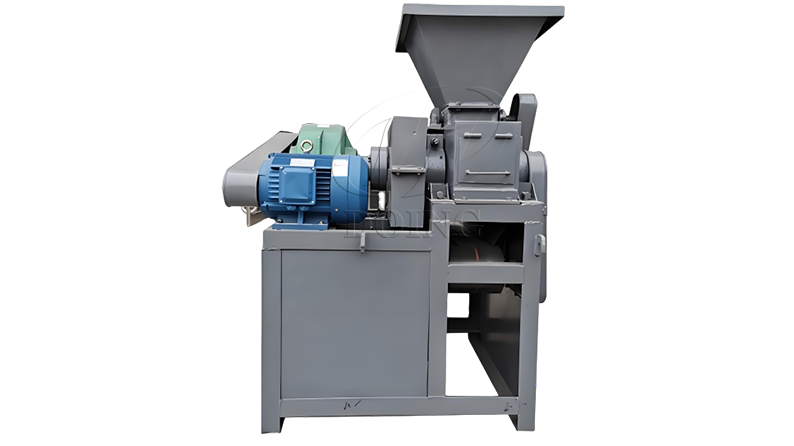
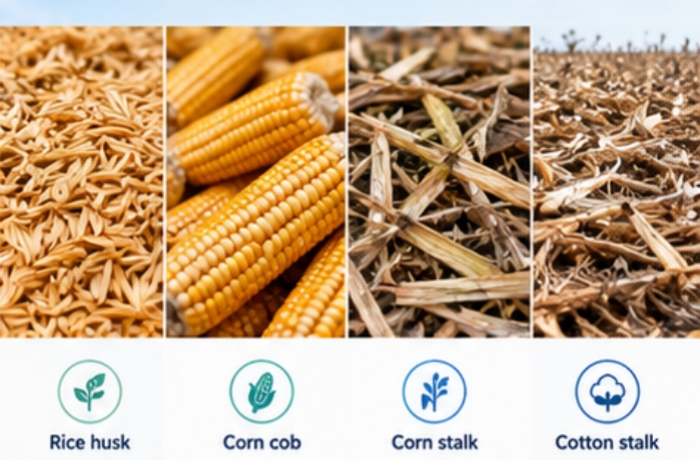 Crop residue biomass raw materials
The first step is therefore consistent feed preparation. Depending on the material, this may include drying, crushing or particle-size adjustment. A suitable feed condition helps the carbonization system maintain stable material movement and heat transfer.
The key point is that continuous carbonization does not remove the need for feedstock preparation. Instead, consistent feed preparation becomes an important part of achieving stable continuous operation.
Continuous operation provides a more stable production flow than repeated batch loading and unloading. For projects processing larger quantities of agricultural residue, this can simplify material handling and production planning.
Another advantage is process control. Carbonization performance is affected by operating conditions such as temperature, residence behavior and feedstock characteristics. A continuous system allows these conditions to be managed within a defined production process instead of being reset for every separate batch.
Environmental management is also an important difference. Biomass carbonization generates combustible gases and flue gas. In an industrial system, these gases can be collected and directed to appropriate combustion, utilization or treatment units rather than being handled as uncontrolled emissions.
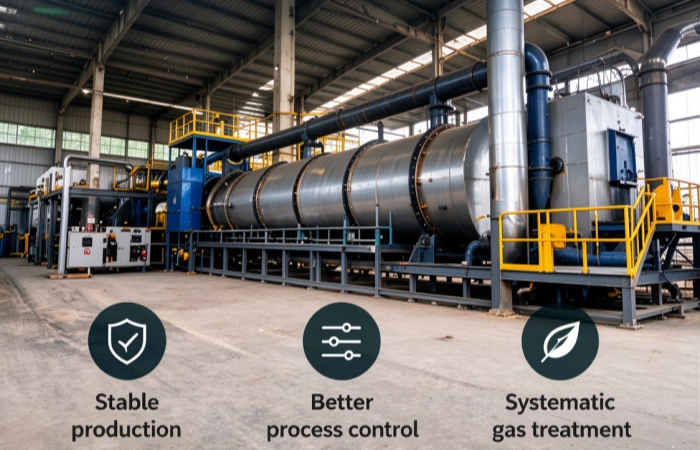 Continuous carbonization process advantages
Therefore, the environmental performance of a carbonization system should be assessed as a complete process, including gas handling and flue gas treatment, rather than by looking at the carbonization reactor alone.
For crop-residue projects, this creates two connected benefits: agricultural waste is converted into a useful carbonized product, while the thermal conversion process can be equipped with a more systematic gas-management system.
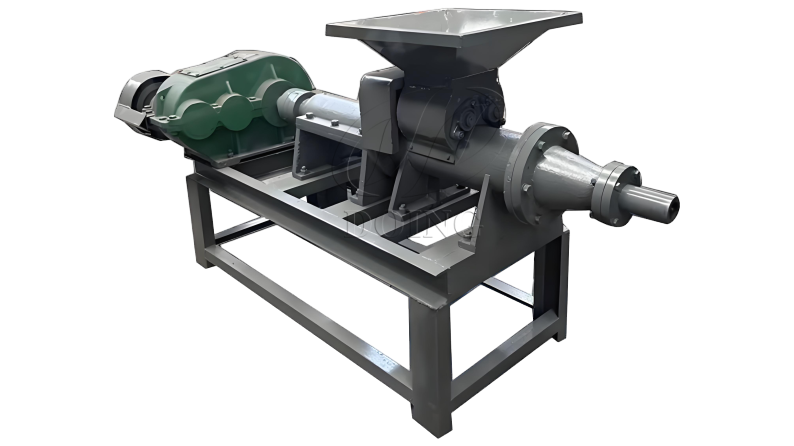
DOING ECO provides continuous biomass carbonization equipment for biomass waste processing and charcoal production. For crop-residue projects, the equipment can be considered as an alternative to batch charcoal kilns when continuous processing and controlled operation are required.
DOING ECO's continuous biomass carbonization equipment is designed for the continuous processing of crop residue and other biomass waste. The system achieves a stated 99% carbonization rate and a processing capacity of 20+ tons per day, with continuous feeding and discharge for sustained biomass carbonization and biochar production.
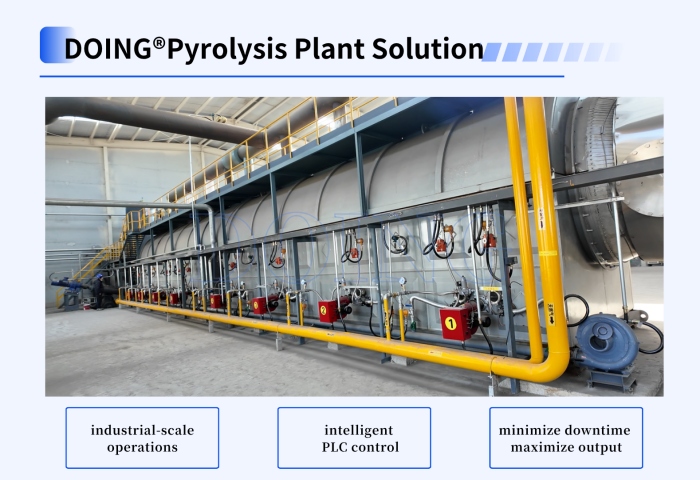 DOING ECO continuous carbonization machine
The carbonization line can also be designed around the required gas and flue gas handling configuration. Specific treatment equipment and emission-control parameters should be confirmed according to the project design and applicable local requirements.
The objective is therefore not simply to replace a traditional kiln. It is to establish a continuous production system for converting crop residue into biochar or other carbonized products with controlled material flow and process management.
Looking for an Alternative to a Traditional Charcoal Kiln? DOING ECO can evaluate a continuous biomass carbonization solution based on your crop residue type, moisture content, required capacity and target biochar properties.
Share your feedstock information and production requirements with our team to discuss a suitable carbonization system, including feed preparation and gas or flue gas treatment requirements.
Yes. Crop residue can be processed through a continuous carbonization system when the material is prepared according to the required feed conditions. The exact preparation depends on the type and physical characteristics of the biomass.
The main preparation requirements normally relate to moisture and particle size. Depending on the feedstock, drying, crushing or size adjustment may be required before continuous carbonization.
The process generates combustible gases and flue gas that can be collected and directed to designated combustion, utilization or treatment units. The specific configuration depends on the equipment design and project requirements.
Potentially, but different residues may require different feed preparation and operating conditions. The system should therefore be evaluated according to the actual biomass characteristics rather than assuming one setup will suit every material.
The key information includes feedstock type, moisture content, particle size, required processing capacity and target carbonized product. Additional technical information may be required when designing the complete gas and flue gas treatment system.

Please provide us with project information as much as possible.



Copyright © 2015-2026 DOING Holdings - Henan Doing Environmental Protection Technology Co., Ltd | Privacy Policy | All Rights Reserved