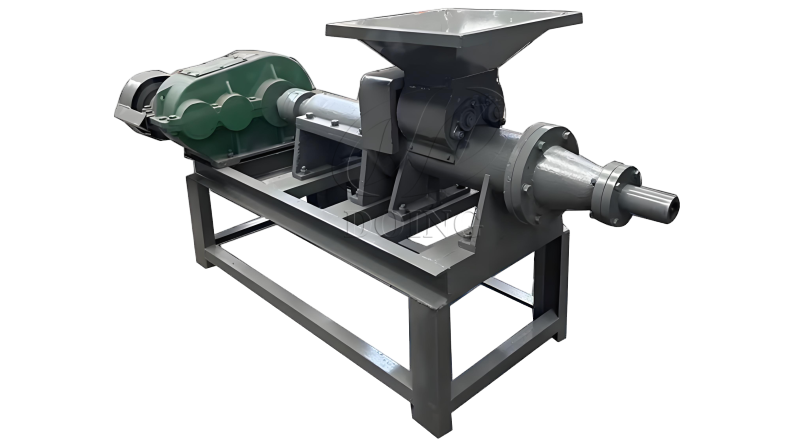

Bamboo charcoal is valued for its versatility and eco-friendly nature. It’s commonly used in water and air purification, as a cooking fuel, in skincare products, and even to improve soil quality in agriculture. Because it grows quickly and absorbs carbon effectively, bamboo charcoal is often seen as a more sustainable alternative to traditional wood charcoal. But the quality of the charcoal depends largely on the type of bamboo used—choosing the best bamboo types for charcoal production is key to a good final product.
Moso bamboo is widely regarded as the best choice for making charcoal and is often considered one of the best bamboo types for charcoal. It has thick walls and a high density, which results in charcoal that is hard, long-lasting, and has a high fixed carbon content. This makes it excellent for high-heat fuel like barbecue charcoal, as well as for producing activated carbon used in purification. Moso bamboo is mostly found in China and has been introduced to other temperate regions like Japan.
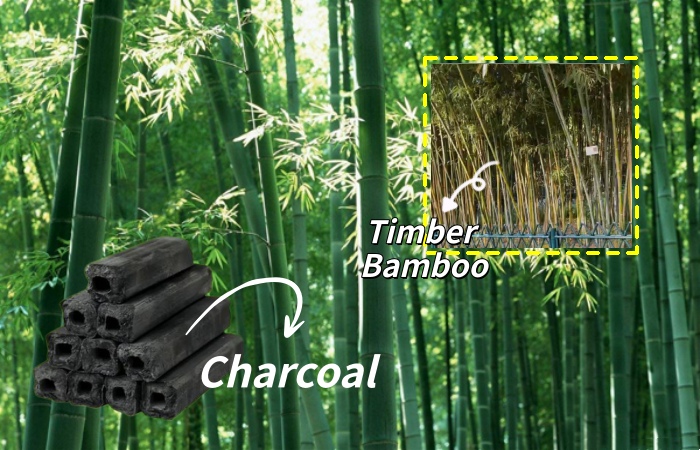 Moso bamboo and timber bamboo for charcoal
This group includes bamboo like Phyllostachys bambusoides (Japanese timber bamboo) and Phyllostachys glauca. They are similar to Moso bamboo in many ways—dense, with good wall thickness—and are often used as a supplement or alternative where Moso is less available. Charcoal from these species is commonly used for household fuel and industrial heating. They grow mainly in East Asia and have been introduced to some parts of North America and Europe. These are also excellent best bamboo types for charcoal production.
Species like Dendrocalamus asper and Dendrocalamus giganteus are large, fast-growing bamboos common in tropical areas such as Southeast Asia, southern China, and parts of South Asia. They grow in clumps and provide a lot of biomass, making them suitable for larger-scale or local charcoal pyrolysis production. The charcoal is often used as cooking fuel or for industrial heating in these regions, and they work well with modern bamboo charcoal production equipment.
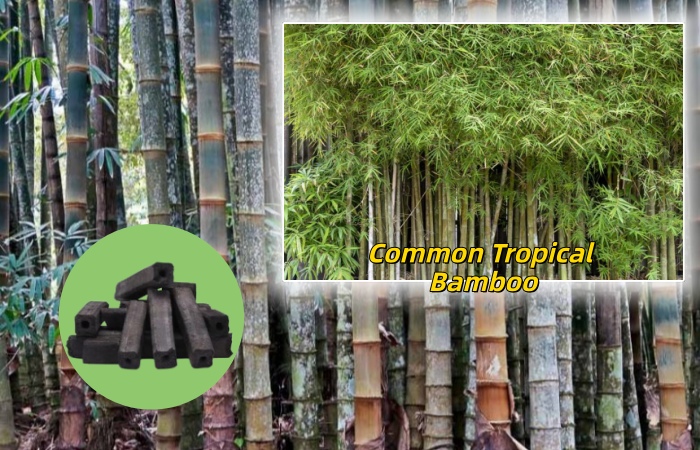 Bamboo for charcoal production
Bamboo like Bambusa vulgaris and Bambusa blumeana are widespread in tropical and subtropical regions, including Southeast Asia, Africa, and South America. They grow quickly and are often used locally for charcoal, especially for everyday cooking fuel and basic filtration. While the charcoal may be less dense than that from Moso bamboo, it is a practical and accessible resource in many communities and can be efficiently processed with suitable bamboo charcoal production equipment.
Good bamboo for charcoal producttion typically has thick walls, high density, and is harvested at the right age—usually between 3 to 6 years old. Local availability and sustainable management are also important to keep production consistent and environmentally sound.
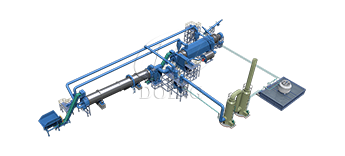
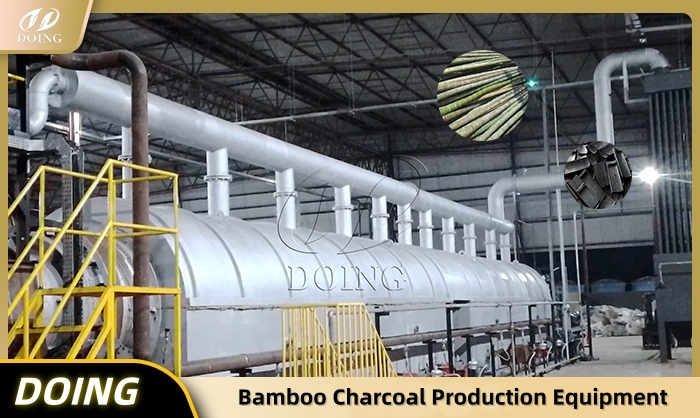 Continuous bamboo biochar pyrolysis machine
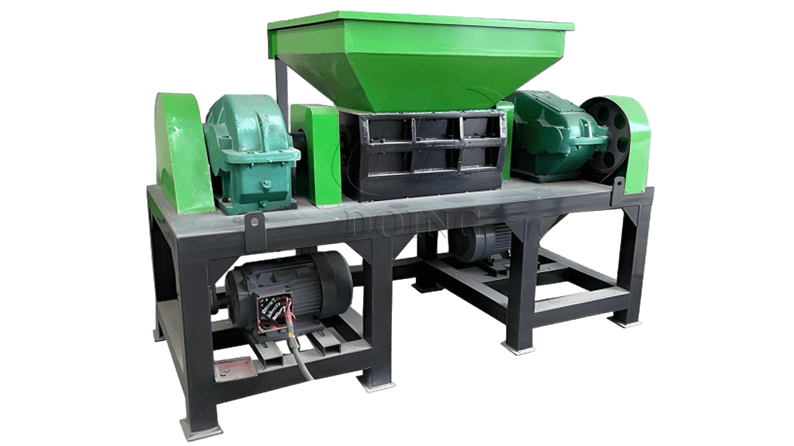
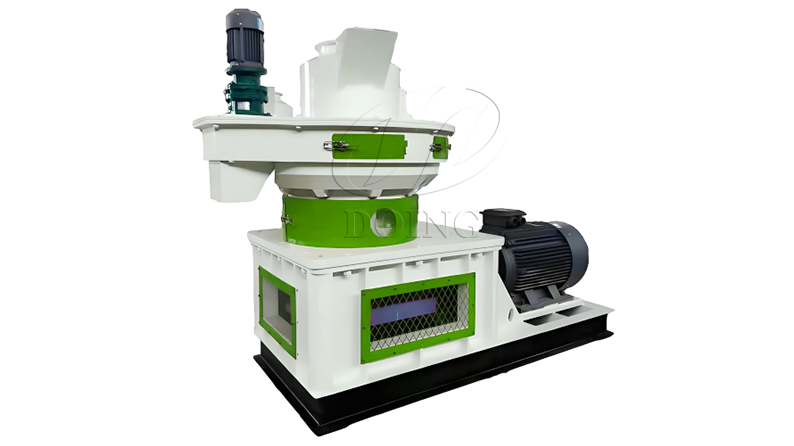
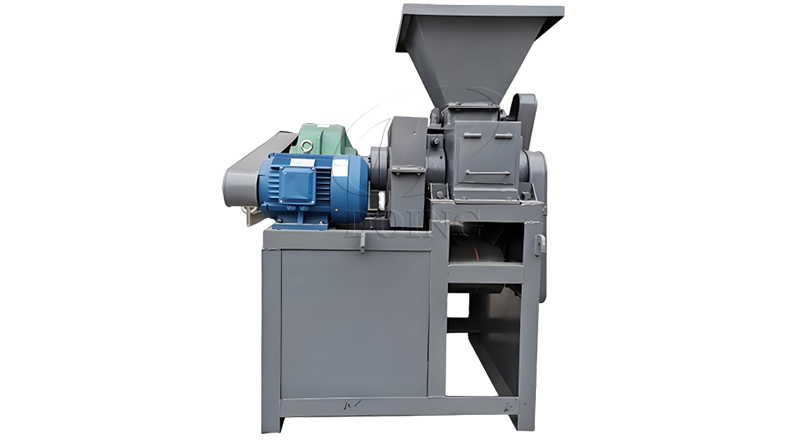
At DOING, our biochar pyrolysis machine can process various types of bamboo, from Moso bamboo to local timber or tropical varieties. We offer both batch and continuous biochar pyrolysis machine designs, engineered for efficiency and low emissions, producing high-quality bamboo charcoal without causing pollution. Furthermore, we can provide different models of bamboo charcoal production equipment to meet your needs and offer customized solutions based on your production scale and the type of bamboo you use.
If you’re interested in learning more about how our biochar pyrolysis machine can help with your bamboo charcoal production, please get in touch. We’re here to help you find a setup that works for your needs.

Please provide us with project information as much as possible.



Copyright © 2015-2026 DOING Holdings - Henan Doing Environmental Protection Technology Co., Ltd | Privacy Policy | All Rights Reserved