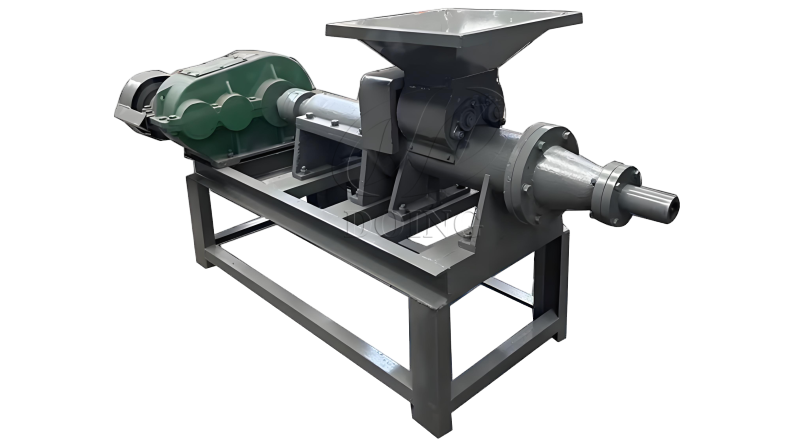

In addressing environmental change, biochar carbon removal is receiving increasing attention. This method utilizes biomass carbonization technology to convert organic matter into a stable carbon form for long-term storage. This process not only reduces atmospheric carbon dioxide levels but also produces biochar products with practical value.
The core of biochar carbon removal is to convert agricultural waste, forestry residues, and other biomass such as rice husks, straw, fruit shells (coconut shells, walnut shells), garden pruning waste, sawdust, bamboo waste, empty palm fruit bunches, coffee shells, sugarcane bagasse, etc., into biochar through pyrolysis reactions in a high-temperature, low-oxygen environment.
During the conversion process, the carbon in the biomass is fixed into a stable structure, making it difficult to decompose, thus achieving long-term carbon storage. This method also reduces greenhouse gas emissions from the natural decomposition or incineration of biomass. Applying 1 ton of biochar is equivalent to removing 1.5 tons of carbon dioxide.
This process not only achieves long-term stable carbon storage but also produces biochar, a high-value byproduct. As an important carbon dioxide removal (CDR) technology, biochar shows great application potential in soil improvement, agricultural yield enhancement, water purification, and as a negative electrode material for batteries, thus forming a closed loop from carbon capture to resource utilization.
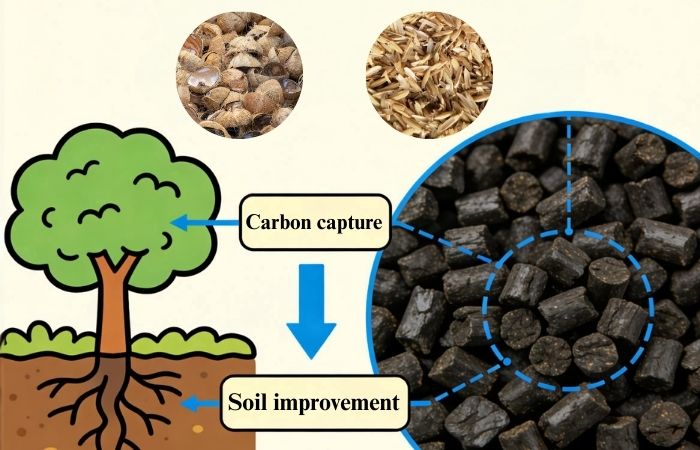 Biochar carbon removal technology benefits
More importantly, this model of transforming an "ecological burden" into "green wealth" is gaining tangible economic incentives through the global voluntary carbon market. For example, in Jiangsu, China, biochar made from agricultural straw has been successfully listed for sale on an international carbon credit platform. Meanwhile, biochar project development standards in the United States and Canada have recently received high-credibility carbon credit (CCP) labels, significantly enhancing their market credibility and trading value.
Therefore, actively developing biochar carbon removal projects not only helps promote the achievement of carbon neutrality goals but also creates direct carbon credit revenue for project developers, effectively converting environmental benefits into economic benefits. In practice, the effectiveness of biochar carbon removal projects is influenced by various factors, including the type of raw materials, the carbonization process, and subsequent utilization methods. Selecting appropriate biomass carbonization machine can improve carbon conversion efficiency and the quality of biochar output.
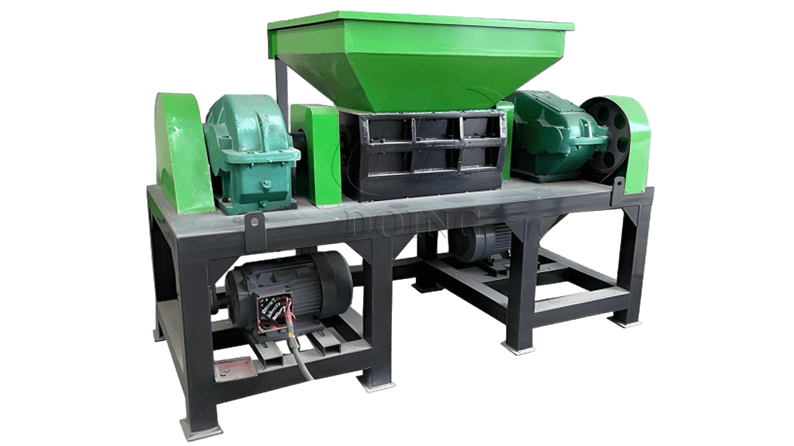
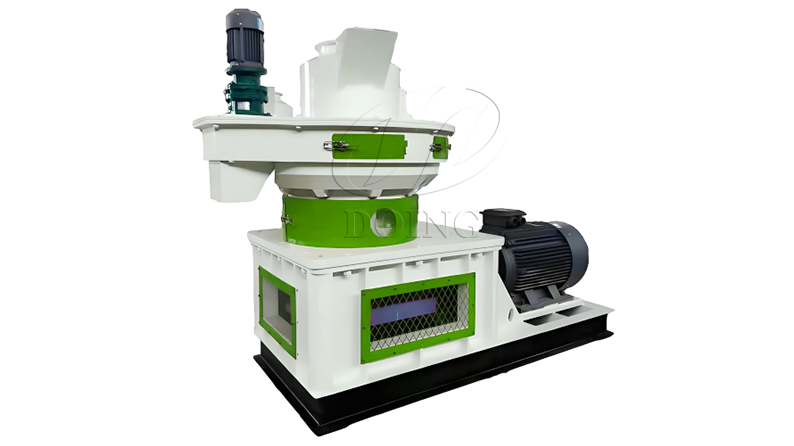
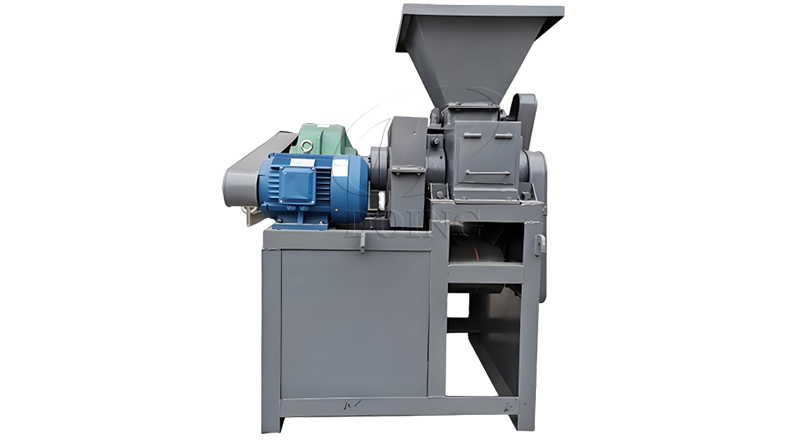
DOIING is a company specializing in the manufacture of biomass carbonization machine, committed to providing customers with stable and reliable carbonization technology and equipment to help users achieve biochar carbon removal goals and produce biochar of consistent quality.
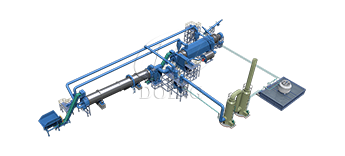
① Our biochar making machine is designed with process adaptability and operational continuity in mind: it can process various biomass raw materials and provides industrial-grade biomass pyrolysis plant. The entire biochar production process is automated through a PLC intelligent control system, helping investors achieve large-scale biochar production.
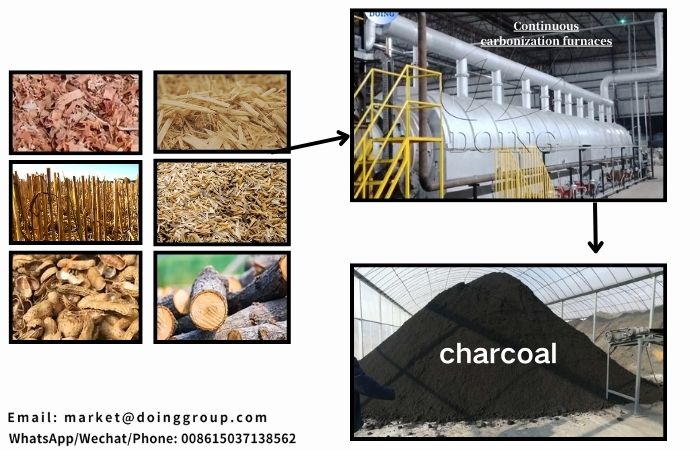 DOING biomass pyrolysis biochar making machine
② During operation, we emphasize heat energy utilization and emission management: the combustible gas produced by pyrolysis is introduced into a secondary combustion chamber, providing continuous heat energy for pyrolysis after combustion, reducing external fuel demand; the entire pyrolysis reaction is carried out in a high-intensity, fully enclosed environment to prevent the leakage of harmful gases. Simultaneously, dust collectors are used to capture and treat the flue gas or waste gas after combustion to ensure emissions meet standards. This aims to control energy consumption and environmental impact while removing carbon.
We believe that by providing practical biomass carbonization machine, we can support more organizations and enterprises in carrying out biochar-related projects. Biochar carbon removal offers another approach to carbon reduction efforts. It combines carbon sequestration with resource recycling, exploring the simultaneous achievement of economic and environmental benefits while addressing environmental challenges. If you are further interested in biochar carbon removal technology or carbonization equipment, please feel free to contact us.

Please provide us with project information as much as possible.



Copyright © 2015-2026 DOING Holdings - Henan Doing Environmental Protection Technology Co., Ltd | Privacy Policy | All Rights Reserved