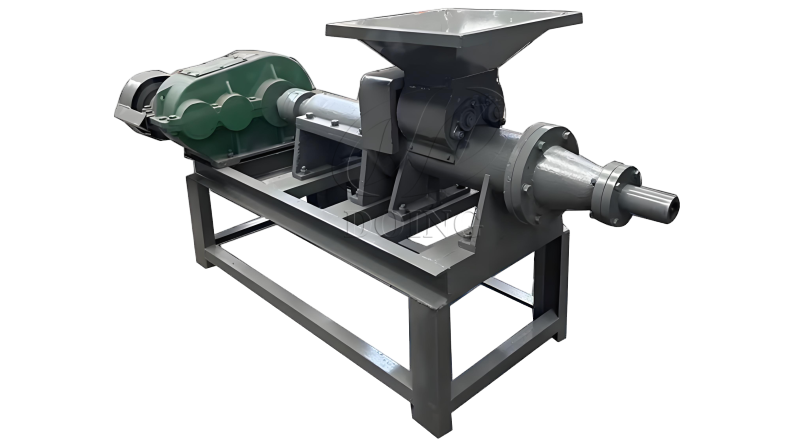

Charcoal, a common energy source and raw material, is widely used in industry, agriculture, and domestic life. Traditional charcoal kilns, a method for converting wood into charcoal, have been widely used in the past, but they suffer from significant disadvantages that are inconsistent with long-term industry development and environmental protection requirements.
Traditional charcoal kilns typically employ simple designs, relying on natural combustion and heat accumulation. This approach often results in uneven heating and a slow carbonization process. Furthermore, the manual process of converting wood into charcoal takes a long time, impacting overall production efficiency. Besides, traditional charcoal kilns have poor thermal insulation performance, resulting in significant heat loss, further extending production cycles. For companies seeking stable supply and large-scale production, this inefficient model can become a bottleneck.
Because temperature control in traditional charcoal kilns relies primarily on experience and is difficult to precisely control, wood carbonization results are often inconsistent. Sometimes parts of the wood are not fully carbonized, affecting the overall quality of the charcoal; other times, over-carbonization results in reduced yields. This fluctuation not only increases the difficulty of quality control but also potentially impacts customer satisfaction. Stable charcoal quality is key to market competitiveness, and traditional charcoal kilns fall short in this regard.
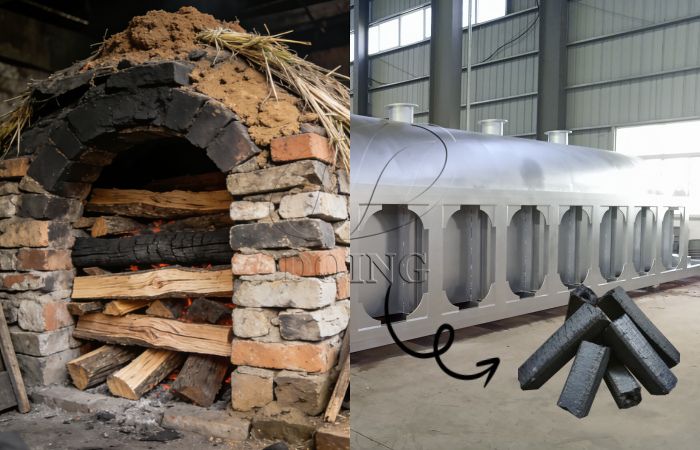 Charcoal quality issues of traditional charcoal kiln
Traditional charcoal kiln designs often focus solely on charcoal production, neglecting the recycling of by-products. For example, combustible gases and tar produced during the carbonization process are not effectively collected, resulting in resource waste. From a sustainable management perspective, improving comprehensive resource utilization efficiency is increasingly important.
Traditional charcoal kilns typically produce significant amounts of smoke and exhaust during operation. These emissions may contain particulate matter and volatile organic compounds, which burden the surrounding environment and pose a health risk to operators. Furthermore, the wood carbonization process is energy inefficient and consumes relatively high amounts of resources. With increasingly stringent environmental regulations, the operation of traditional charcoal kilns may face further restrictions.
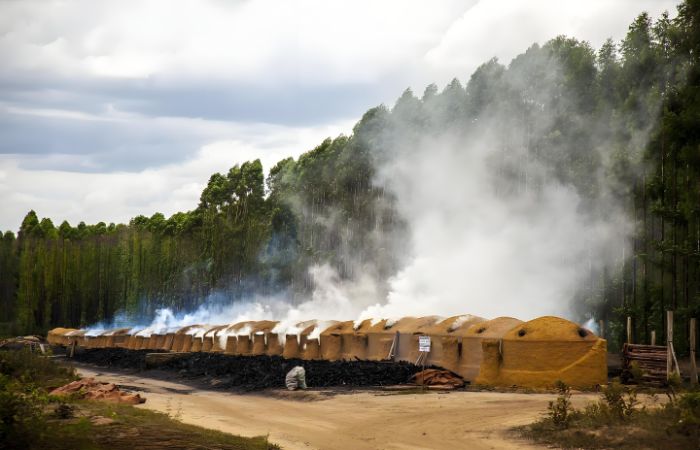 Environmental pollution problems of traditional charcoal kilns
Traditional charcoal kilns often require frequent manual monitoring and adjustments, including adding wood, monitoring the fire, and cleaning up residue. And this heavy reliance on manual labor makes management prone to irregularities. This not only increases labor costs but also poses significant safety risks. The high temperatures and confined working space expose operators to potential hazards.
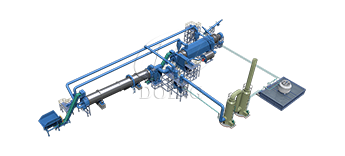
While traditional carbonization kilns have been widely used for decades, issues with production efficiency, environmental pollution, and operational safety have gradually emerged. To improve production efficiency, reduce environmental impact, and ensure production safety, using modern carbonization furnaces is a more sensible and long-term choice. DOING specializes in the research and development and production of carbonization machine, dedicated to providing customers with efficient, environmentally friendly, and safe carbonization solutions.
Compared to traditional charcoal kilns, DOING modern carbonization machine offers several advantages:
1. Utilizing an automated control system, DOING modern carbonization equipment precisely controls temperature, pressure, and time, completing the carbonization process in a shorter timeframe. This significantly improves production efficiency, resulting in higher yields and more consistent charcoal quality.
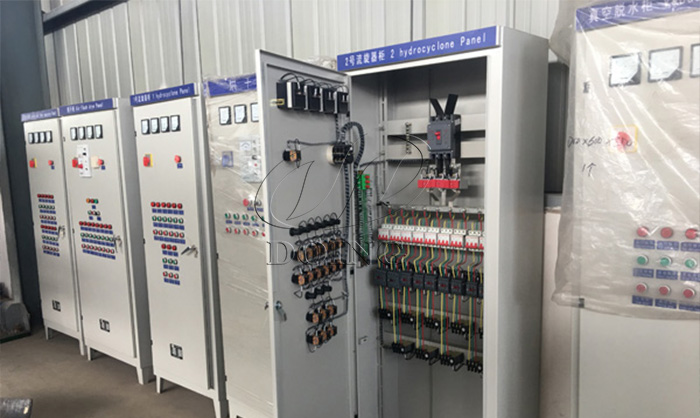 PLC automatic control system for modern carbonization machine
2. The entire carbonization system utilizes advanced heat recovery technology, recycling combustible gases generated during the carbonization process to heat the drying and carbonization furnaces. This not only maximizes heat utilization, but also reduces production costs and improves energy efficiency.
3. Our modern carbonization machine is equipped with an advanced flue gas purification system, effectively reducing harmful gas emissions, complying with environmental standards, and contributing to green production.
4. Modern charcoal production requires a focus on automation and safety. Our carbonization kiln boasts a high level of automation, including a PLC system that automatically controls the carbonization process, significantly reducing labor costs while minimizing operational errors and risks.
DOING modern carbonization machine is designed to help customers overcome the shortcomings of traditional charcoal kilns and achieve efficient, environmentally friendly, and safe charcoal production. If you have any questions or needs, please feel free to contact us. We will wholeheartedly provide you with professional services and support.

Please provide us with project information as much as possible.



Copyright © 2015-2026 DOING Holdings - Henan Doing Environmental Protection Technology Co., Ltd | Privacy Policy | All Rights Reserved