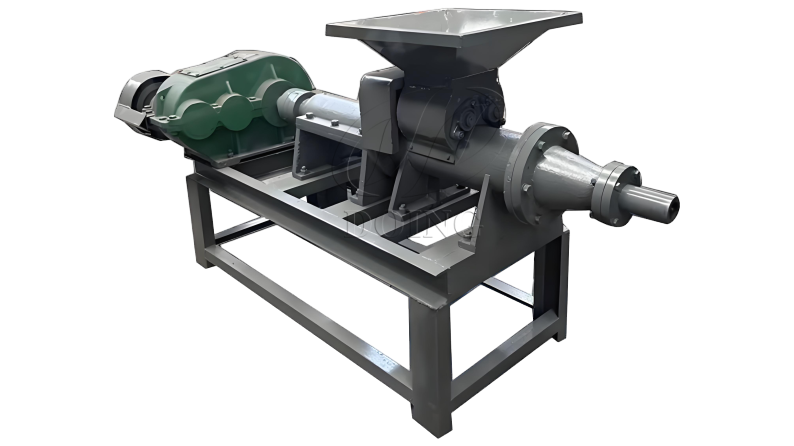

Investing in a biochar pyrolysis plant can turn biomass waste into a carbon-rich product, but project performance depends on more than equipment price and capacity.
Feedstock quality, safety, emissions, energy consumption and biochar quality can all affect project economics. Most biochar pyrolysis plant risks can be identified before purchasing equipment.
Different biomass materials have different moisture, ash content and composition. Wood chips, sawdust, rice husks, coconut shells, crop residues and manure can therefore require different drying and pyrolysis conditions. These differences affect processing capacity, biochar yield and product quality.
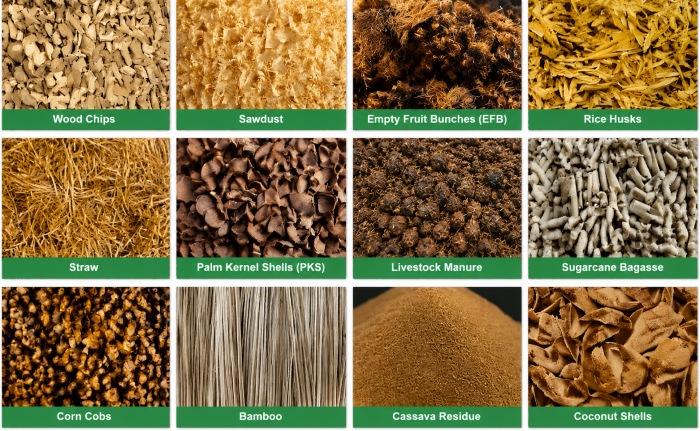 Biomass feedstocks for pyrolysis
A practical feedstock assessment should cover:
Feedstock type and composition
Moisture content
Daily availability and seasonal changes
Possible contaminants
Target biochar application and properties
| Main investment risk | Possible consequence | Practical way to reduce it |
| Risk | Possible impact | Practical measure |
| Feedstock mismatch | Unstable operation or lower output | Test the actual biomass |
| High moisture | Higher drying energy use | Include suitable drying equipment |
| Inconsistent feedstock | Fluctuating output and biochar quality | Define an acceptable feedstock range |
| Contaminants | Biochar may not meet end-use requirements | Test and screen feedstock |
DOING ECO can customize its biomass pyrolysis equipment according to feedstock, moisture, capacity and target product, rather than relying only on theoretical capacity.
A biochar pyrolysis plant operates at high temperatures and generates combustible gases. Dry biomass and biochar can also create dust during feeding, conveying and discharge. Gas handling, temperature control, oxygen management and dust removal are therefore key safety considerations.
Key safety points include:
Controlled sealing of the pyrolysis zone
Combustible syngas collection and handling
Temperature and pressure monitoring
Oxygen control
Dust removal
Safe cooling and discharge
Proper startup and shutdown procedures
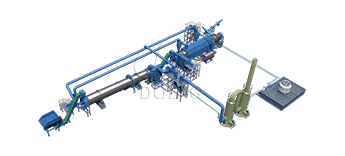
DOING ECO's continuous carbonization equipment uses a double-cylinder structure. The inner cylinder preheats and removes moisture, while the outer cylinder provides the main carbonization heat. The equipment typically operates at around 500°C, with conditions adjusted according to the feedstock and target product.
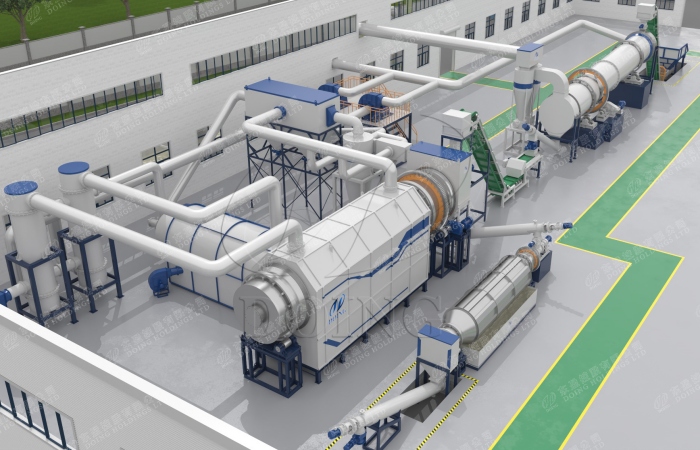 DOING ECO biochar pyrolysis equipment
Combustible syngas generated during carbonization can be recovered and burned for heat after startup, reducing external fuel requirements during normal operation.
For biochar production equipment, safety should therefore be evaluated at the complete-system level, including gas, heat, oxygen, dust and hot material management.
Pyrolysis can generate gases, vapors and particulate matter, while biomass handling can produce dust and odor. Environmental requirements also vary by location, so local permits and emission limits should be confirmed before finalizing the plant design.
Important environmental considerations include:
Air emissions and gas treatment
Dust and particulate control
Odor management
Gas combustion and reuse
Biochar quality and contaminants
Local environmental permits
DOING ECO's biomass pyrolysis equipment can incorporate pulse dust removal and combustible syngas recovery. Drying, feeding, carbonization, gas utilization, cooling and dust removal can also be configured according to project requirements.
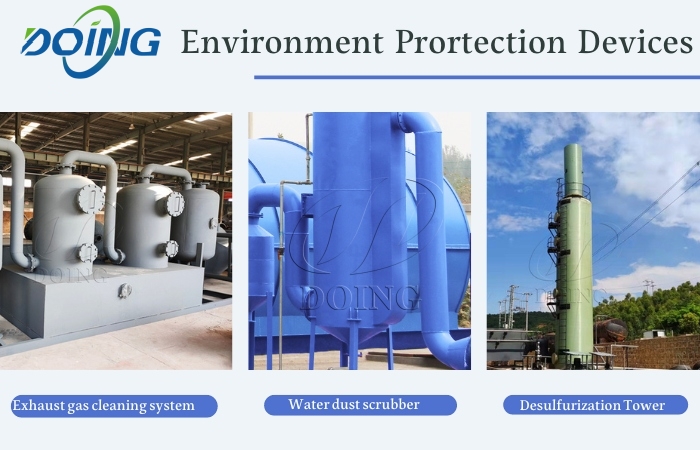 Emission and dust control system
Environmental control should be part of the process design from the beginning rather than an addition after the reactor is selected.
A low equipment price does not necessarily mean a low-cost project. The more useful calculation is the cost per tonne of usable biochar, including feedstock preparation, drying, energy, labor, maintenance and equipment utilization.
Before investing, calculate:
Available feedstock per day
Actual moisture content
Target processing capacity
Operating hours
Energy consumption
Biochar yield
Labor and maintenance costs
Installation and transportation costs
Expected biochar value
DOING ECO's continuous biochar production equipment typically covers 1–5 t/h, with larger customized systems available for suitable projects. The double-cylinder structure integrates preheating and carbonization, while combustible syngas can be reused for heating after startup.
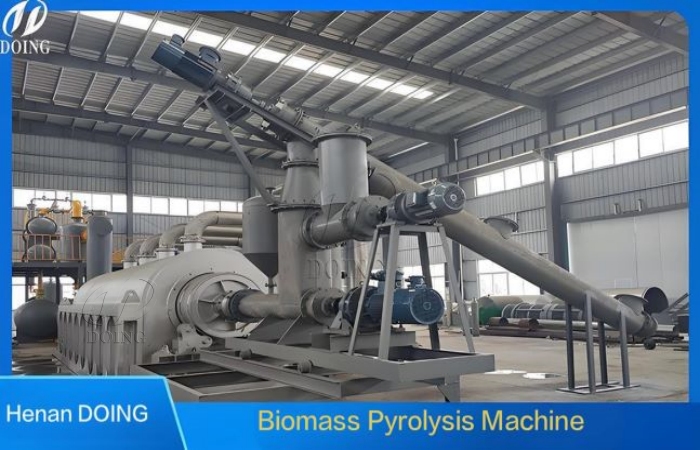 DOING ECO carbonization equipment
Project economics should be calculated using actual feedstock and operating conditions, not only equipment price or nominal capacity.
A suitable reactor can still become a difficult investment if the supplier lacks adequate technical and after-sales support.
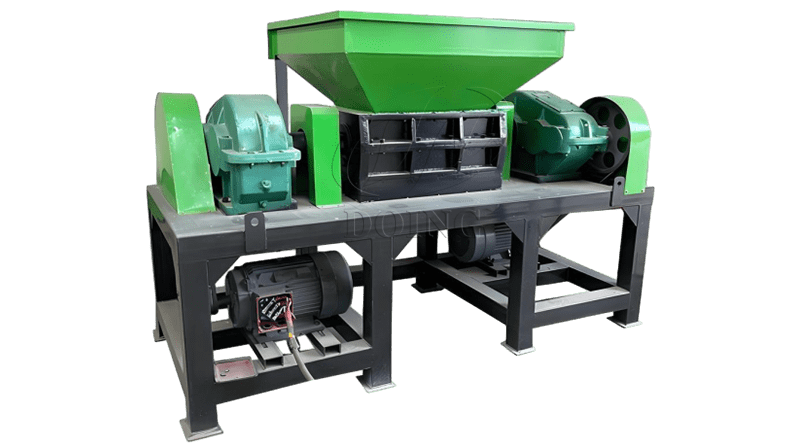
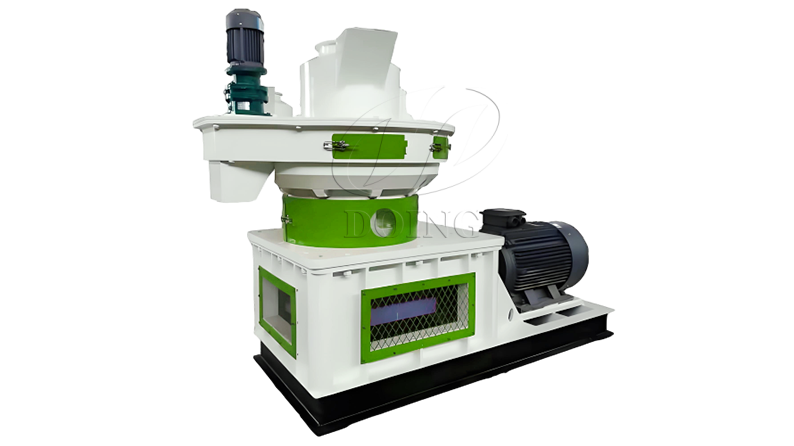
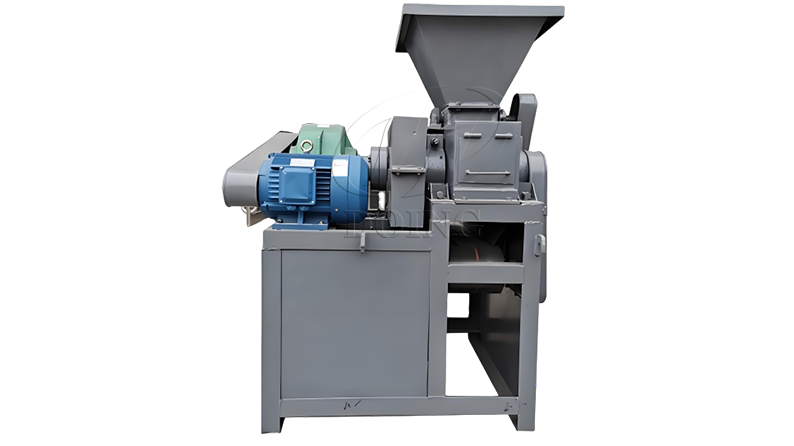
A commercial biochar plant may include feeding, drying, carbonization, gas handling, cooling, dust removal, electrical control and product discharge. These systems need to work together for stable operation.
When evaluating biochar production equipment suppliers, pay attention to:
Realistic capacity based on your feedstock
Complete process flow and equipment configuration
Gas utilization and dust removal
Installation and commissioning
Operator training
Spare parts and after-sales service
Previous project experience
DOING ECO provides process development, solution design, equipment manufacturing, installation, commissioning and worker training, allowing the system to be configured around the actual project.
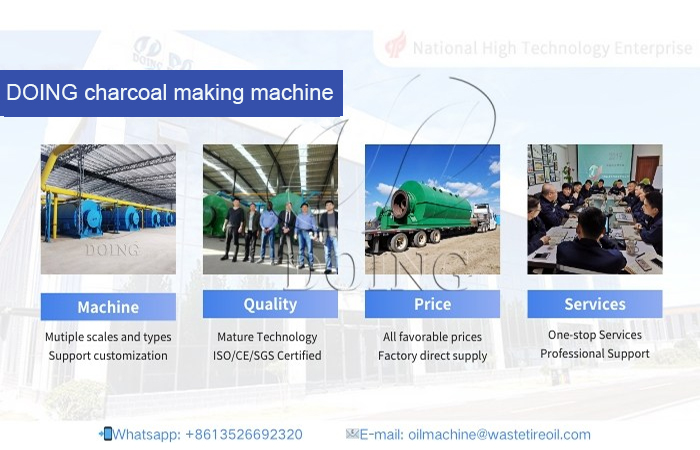 DOING ECO biochar production equipment and project services
How Can I Reduce Biochar Pyrolysis Plant Risks Before Buying?
A practical approach is to resolve the major uncertainties before signing the equipment contract:
Test the feedstock — Confirm moisture, composition, availability and contaminants.
Define the biochar application — Establish the target product characteristics.
Set realistic capacity — Base capacity on actual feedstock availability.
Review the complete process — Evaluate drying, feeding, pyrolysis, gas reuse, cooling and dust removal together.
Verify safety and environmental controls — Check gas handling, temperature, sealing, dust collection and emissions.
Calculate the economics — Compare operating costs, biochar yield and product value.
Test before scaling up when possible — Actual feedstock testing provides a stronger basis for equipment selection.
Planning a Biochar Pyrolysis Project?
If you are evaluating a biochar pyrolysis plant, send DOING ECO your feedstock type, moisture content, expected capacity and target application.
DOING ECO can help develop a continuous carbonization configuration covering drying, carbonization, syngas utilization, cooling and dust removal based on your project conditions.
The goal is not simply to purchase biochar production equipment, but to build a system that fits your feedstock, production target, operating conditions and end-use requirements.
Common risks include unsuitable feedstock, underestimated drying and energy requirements, inadequate gas or dust management, unrealistic capacity, biochar quality issues and insufficient supplier support.
Profitability depends on feedstock cost and availability, plant utilization, energy consumption, biochar yield, operating costs and final product value. A project-specific calculation is more useful than a general profitability estimate.
Common feedstocks include wood, sawdust, rice husks, coconut shells, crop residues and some types of manure. The biomass pyrolysis equipment configuration depends on moisture, particle size, composition and target biochar properties.
Cost depends on capacity, drying requirements, carbonization technology, gas utilization, cooling, dust removal, automation and other project-specific equipment. Feedstock and target capacity are normally needed for a meaningful quotation.
Yes. Combustible pyrolysis gas can be recovered and used as a heat source in systems designed for gas utilization, reducing external fuel requirements after startup.
Check feedstock testing, realistic capacity, process configuration, gas handling, dust removal, safety measures, installation, operator training and after-sales support. These factors provide a better basis for supplier comparison than equipment price alone.

Please provide us with project information as much as possible.



Copyright © 2015-2026 DOING Holdings - Henan Doing Environmental Protection Technology Co., Ltd | Privacy Policy | All Rights Reserved