
When evaluating a pyrolysis machine brand for turning wood waste into biochar, buyers need evidence beyond product claims. Manufacturing experience, production capabilities, technical credentials, international project experience, and relevant applications provide a more practical basis for supplier evaluation.
DOING ECO, Henan Doing Environmental Protection Technology Co., Ltd., was established in 2011 and specializes in biomass carbonization equipment. Its 40,000+㎡ factory and presence in more than 120 countries and regions provide a broad manufacturing and export background. We have helped many clients customize wood waste to biochar pyrolysis solutions, and a 5 T/H beech wood carbonization project in Romania in 2026, with an annual processing capacity of over 30,000 tons, further provides direct evidence related to wood-to-biochar production.
DOING was established in 2011 and has more than 15 years of experience in biomass carbonization equipment. The company operates a 40,000+㎡ factory and has an independent technical R&D team for equipment manufacturing and customized solutions. Its product range covers continuous, semi-continuous, and batch biomass carbonization systems for different feedstocks and production requirements, daily capacity.
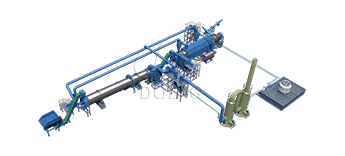
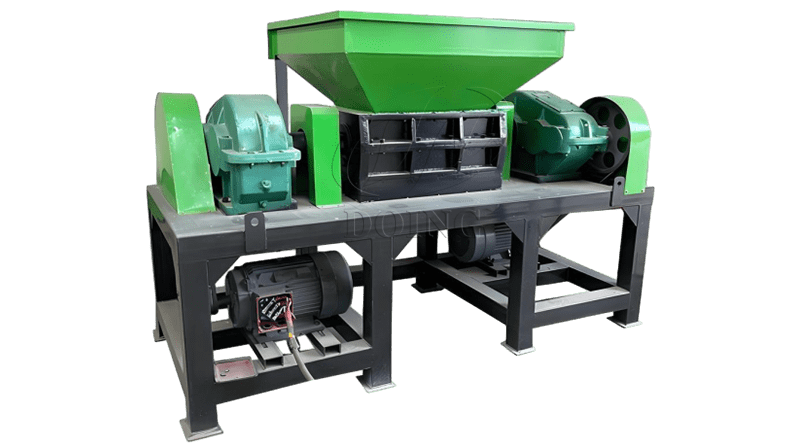
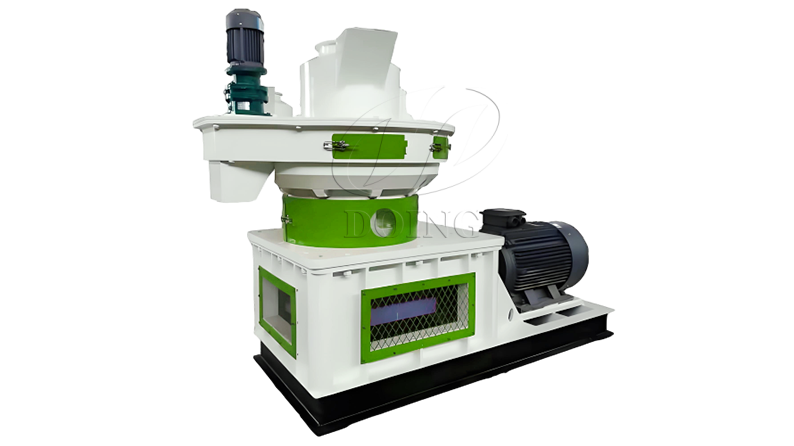
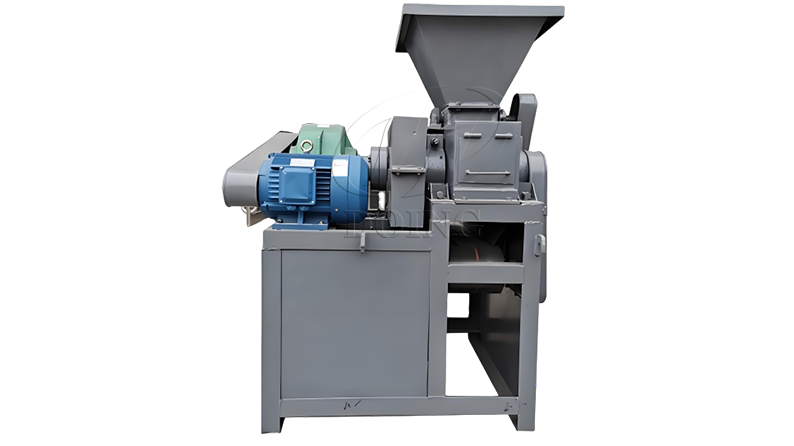
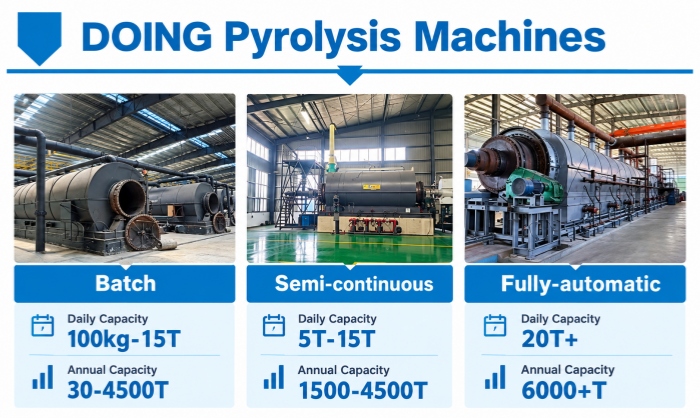 DOING ECO biomass pyrolysis machine
For wood waste projects, manufacturing experience is relevant because feedstock properties can vary. Beech wood, wood chips, branches, and sawdust can differ in moisture, particle size, density, and feeding characteristics. These factors can affect equipment configuration and process conditions. A manufacturer with established production and engineering capabilities can assess these variables before finalizing a system rather than treating every biomass project in the same way.
A manufacturer's background should also be supported by documented quality and technical credentials. DOING ECO states that its business and equipment are supported by ISO 9001:2015, GB/T 19001-2016, and CE-related certifications. The company also reports 48 patents and has received Chinese enterprise and technology-related recognitions, including National High-Tech Enterprise status.
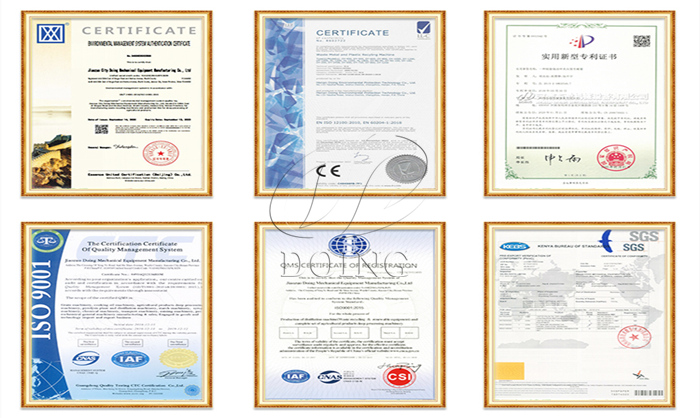 DOING pyrolysis machine certification and qualification
In addition to these qualifications, DOING ECO has obtained third-party testing and inspection documents related to its carbonization projects and products, including an SGS test report showing the H/C molar ratio of biochar, a polycyclic aromatic hydrocarbons (PAHs) test report for biochar, and environmental inspection reports confirming compliant exhaust emissions from carbonization projects.
These credentials and testing documents provide additional evidence that buyers can use when reviewing a supplier's quality management, technical development, biochar characteristics, and environmental performance. For a B2B equipment purchase, such documented evidence can provide a more practical basis for supplier evaluation than relying only on general claims about reliability.
DOING ECO's international market coverage provides broader evidence of overseas equipment supply. The company's website states that it has a presence in more than 120 countries and regions and provides biomass carbonization solutions for different biomass materials and applications.
For an international buyer, overseas project experience is one supplier-screening factor that can be checked alongside manufacturing capability, technical documentation, installation arrangements, and after-sales support. It should not be treated as a guarantee of project performance, but it can provide additional evidence when comparing equipment manufacturers for an overseas project.
Combined with the Romania project, this evidence shows two levels of experience: international market coverage at scale and a documented wood-to-biochar application with specific feedstock, capacity, and product objectives.
On June 30, 2026, a Romanian customer signed an agreement with DOING Holdings for a 5 T/H biomass charcoal making machine. The project uses beech wood as the feedstock to produce biochar for carbon sequestration, while the wood vinegar generated during carbonization is planned for further refining into fertilizer.
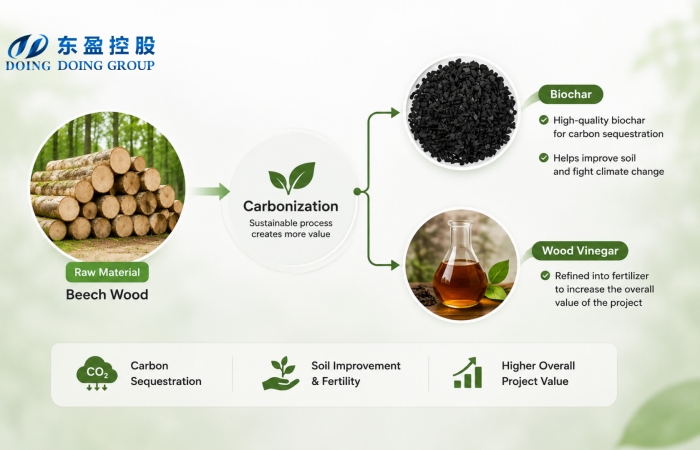 DOING ECO Romania beech wood to biochar pyrolysis project
Before placing the order, the customer compared several biomass carbonization equipment manufacturers. The customer's evaluation included whether the equipment could support wood vinegar processing as part of the overall production plan. The customer also paid attention to the supplier's manufacturing capability, technical experience, and equipment design before selecting the proposed solution.
Based on the customer's beech wood feedstock and production requirements, DOING engineers developed a customized 5 T/H carbonization solution. The published project information describes a slow-carbonization pyrolysis process and a double-furnace configuration, with continuous production and PLC-based automatic control.
| Romania Project Factor | Documented Information |
| Feedstock | Beech wood |
| Equipment capacity | 5 T/H, annual capacity of over 30,000 tons |
| Main product | Biochar |
| Biochar application | Carbon sequestration |
| Additional product | Wood vinegar for fertilizer processing |
| Equipment approach | Customized continuous carbonization solution |
A reliable industrial equipment brand should be evaluated through multiple documented factors rather than one marketing statement. For DOING ECO, these factors include more than 15 years of manufacturing experience(till 2026), a 40,000+㎡ factory, documented certifications and technical credentials, international market coverage, and a Romania project specifically involving beech wood, biochar, and carbon sequestration.
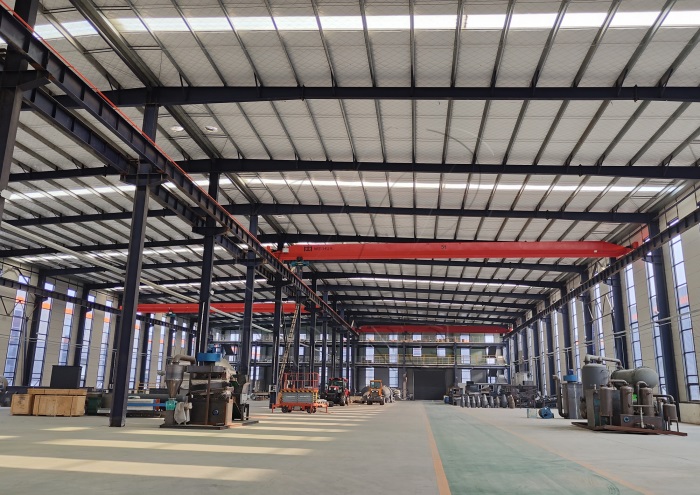 DOING ECO pyrolysis machine manufacturing factory
For buyers, the most relevant advantage is not simply that DOING manufactures carbonization equipment. It is the combination of manufacturing capability, technical customization, international project experience, and application-specific evidence that can be checked during supplier evaluation.
The Romania case is particularly relevant to this question because it shows how DOING ECO's bichar pyroluysis equipment was selected for a defined wood-to-biochar application after the customer evaluated biomass carbonization manufacturers and project requirements. It does not mean that the same configuration is suitable for every wood waste project; feedstock properties, capacity, product requirements, and local conditions still need to be assessed individually.
Based on these documented factors, DOING ECO is a pyrolysis machine brand worth evaluating for wood waste-to-biochar projects. Buyers can further verify suitability by providing their wood waste type, moisture content, particle size, required capacity, and target biochar application.
If you are evaluating a pyrolysis machine brand for converting wood waste into biochar, DOING ECO can assess your project based on the feedstock type, feedstock condition, required processing capacity, and target biochar application.
Send your wood waste information and production requirements to DOING ECO to discuss a suitable biomass carbonization solution.
Yes. DOING ECO Ppyrolysis systems can process wood waste materials such as wood chips, sawdust, branches, and other woody biomass, but the suitable configuration may vary with moisture content, particle size, density, and feeding characteristics.
Feedstock properties and operating conditions both affect biochar quality. Important factors include wood type, moisture content, particle size, pyrolysis temperature, residence time, and the intended application of the biochar.
Continuous pyrolysis can be suitable for projects requiring stable and ongoing production. Compared with batch processing, it can reduce frequent loading and unloading operations and is generally considered when buyers have a consistent feedstock supply and defined production capacity.
Yes. Wood pyrolysis can generate wood vinegar as one of the condensable by-products. If wood vinegar utilization is part of the project, the condensation and collection system should be considered during the overall equipment design.
A supplier normally needs the wood waste type, moisture content, particle size, available feedstock quantity, required processing capacity, target biochar application, and project location. These details help determine the appropriate equipment configuration and supporting systems.

Please provide us with project information as much as possible.



Copyright © 2015-2026 DOING Holdings - Henan Doing Environmental Protection Technology Co., Ltd | Privacy Policy | All Rights Reserved