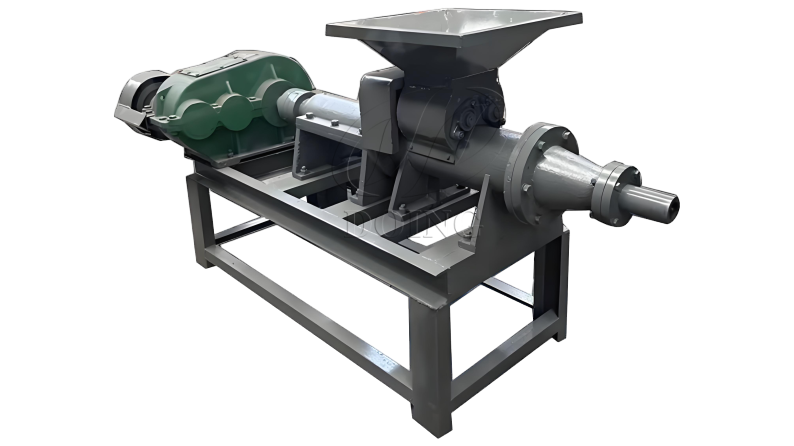

A biomass pyrolysis machine can support a biochar carbon removal project by converting eligible biomass into biochar, which can store carbon for long periods when properly produced and used. However, buying a biomass pyrolysis machine does not automatically qualify a project for carbon credits. Eligibility depends on the feedstock, biochar quality, final use, lifecycle emissions and requirements of the selected carbon credit standard.
For investors, the key is to design the biochar production process around these requirements from the beginning. The right equipment can support efficient production and consistent biochar quality, but the project must demonstrate that it meets the applicable methodology before carbon credits can be issued.
During pyrolysis, biomass is heated under limited-oxygen conditions, converting part of its carbon into biochar. When the biochar meets the required stability and end-use criteria, the carbon stored in it may qualify as carbon removal under an eligible methodology.
The process follows a clear path: eligible biomass → controlled pyrolysis → biochar production → carbon removal accounting → verification and credit issuance. The amount of biochar produced is not the same as the amount of carbon credits earned. Project calculations must account for the carbon retained in the biochar and relevant emissions throughout the process.
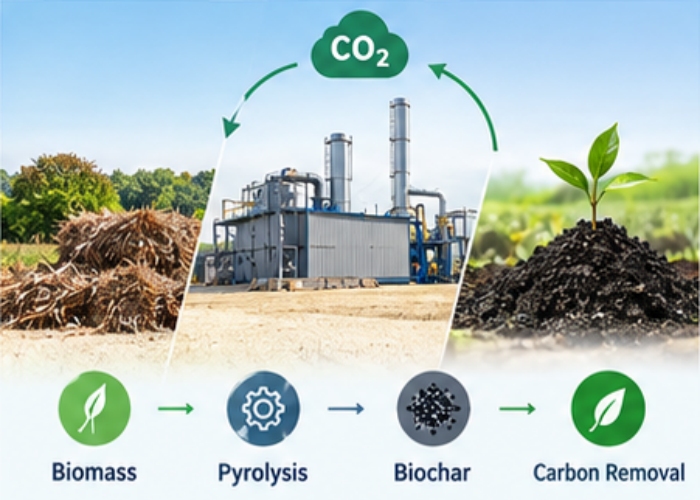 Biochar production to carbon credit process
For example, Verra’s VM0044 v1.2 covers carbon dioxide removals from converting waste biomass into biochar at new production facilities. The Puro Standard Biochar Methodology provides a separate framework. Their requirements differ, so investors should identify the applicable standard before committing to a project.
Four factors can determine whether a biochar project qualifies for carbon credits.
Feedstock eligibility: The biomass must meet the selected methodology’s sourcing requirements. Agricultural residues, forestry waste and other biomass streams may be suitable, but their origin, preparation and traceability need to be assessed.
Biochar quality and end use: Biochar must meet the applicable carbon stability and product requirements. Its intended use and final destination also matter; producing biochar alone does not prove that eligible carbon removal has occurred.
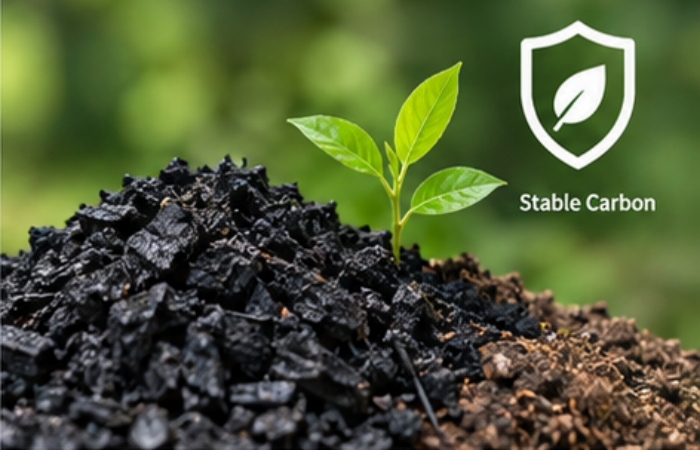 Biochar for carbon removal
Emissions and additionality: Project accounting must consider relevant emissions from feedstock collection and transport, processing energy and equipment operation. Some standards also require evidence that the project would not proceed in the same way without the carbon finance incentive.
Monitoring and verification: Feedstock records, production data, biochar test results and end-use documentation help demonstrate project performance. Depending on the selected program, validation and independent verification are also required before credits can be issued.
These requirements make equipment selection part of the project design, rather than a decision based only on capacity or purchase price.
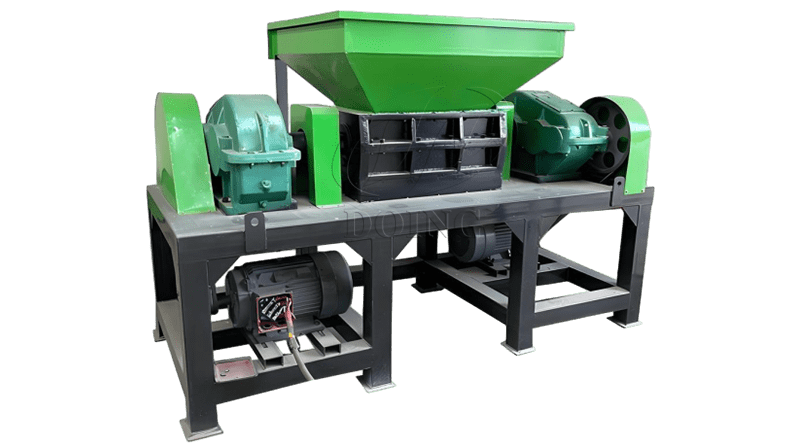
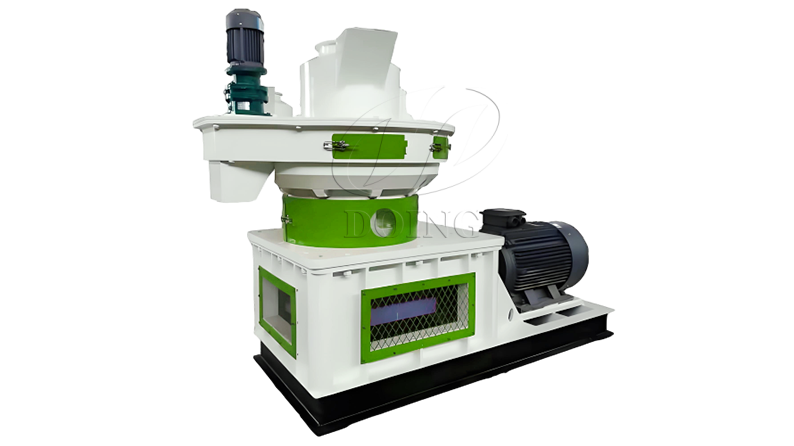
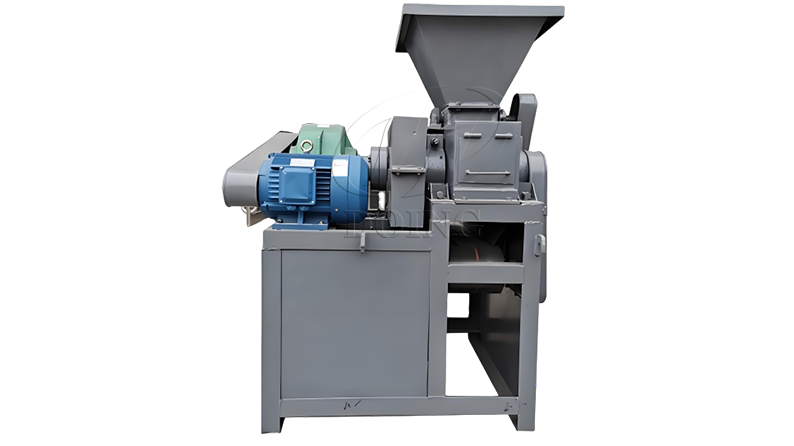
A suitable biomass pyrolysis machine should match the feedstock and production targets while supporting biochar quality, emissions management and reliable operating records. Before investing in a biomass carbonization machine, assess the following factors.
| Selection factor | What to evaluate |
| Feedstock preparation | Moisture, particle size and pretreatment requirements |
| Biochar quality | Fixed-carbon yield, product consistency and testing needs |
| Energy and emissions | Heating demand, combustible gas handling and exhaust treatment |
| Production capacity | Required output, operating schedule and expansion plans |
| Operating records | Ability to track feedstock input, biochar output and production conditions |
Biochar carbon credits can provide an additional revenue stream, but profitability depends on the verified amount of carbon removed, credit prices, biochar market demand and operating costs. A project may generate income from both eligible carbon credits and biochar sales. Depending on the system configuration, combustible gas recovery may also reduce process heating costs.
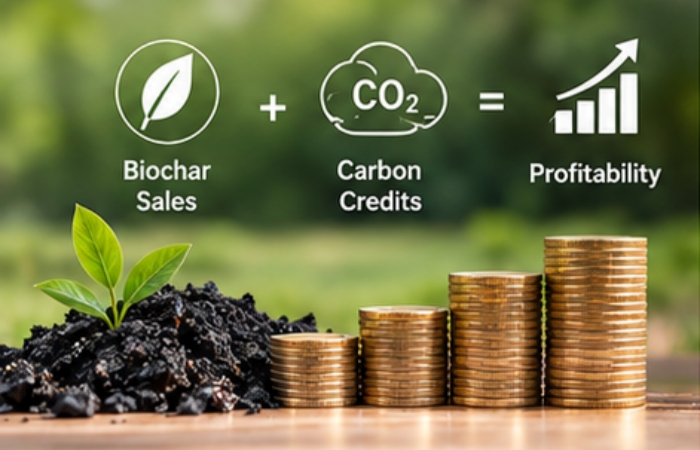 Biochar carbon credit project profitability
Before purchasing a biomass pyrolysis machine, investors should calculate the costs of feedstock preparation, energy, labor, maintenance, transportation, product testing and third-party verification. Project developers should compare these costs with realistic estimates of biochar sales and potential carbon credit revenue.
Because credit issuance and market prices are not guaranteed, a sound investment plan should not rely on carbon credits as its only source of income. Feedstock availability, product quality and operating performance remain essential to long-term project viability.
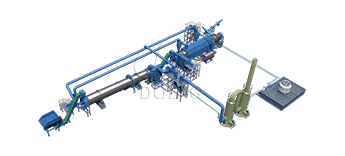
For projects requiring steady output, DOING ECO (Henan DOING) continuous carbonization machine may be worth considering. DOING ECO’s double-cylinder carbonization system uses staged heating: the inner cylinder handles low-temperature drying and pre-pyrolysis, while the outer cylinder carries out the main carbonization process. Its primary design purpose is to improve fixed-carbon yield, with more consistent product quality as an additional benefit. Depending on project requirements, the equipment configuration can be planned around feedstock preparation, carbonization, combustible gas handling and exhaust treatment.
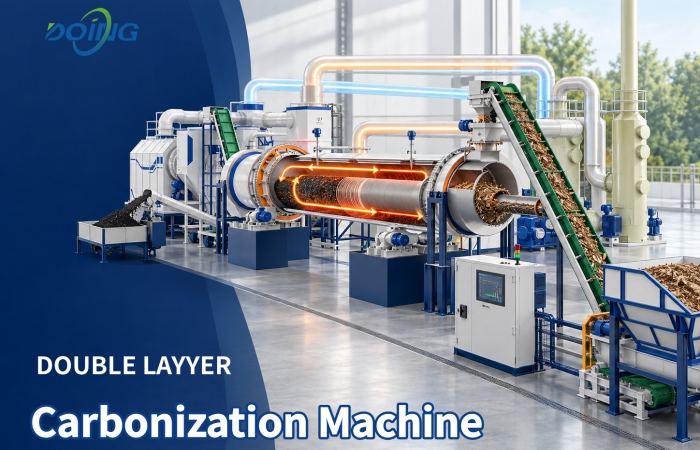 DOING ECO continuous double-cylinder carbonization machine
One relevant example is a 5 T/H biomass pyrolysis project in Ghana that has been installed and put into operation. The customer's stated objective is carbon sequestration, making the project relevant to investors exploring biochar carbon removal. The case demonstrates the application of DOING biomass pyrolysis equipment in a project with carbon-sequestration goals, but it should not be interpreted as evidence that the project has qualified for carbon credits or received credit issuance.
Planning a biomass pyrolysis project for carbon sequestration? Contact DOING ECO to discuss a suitable biomass pyrolysis machine for your project. Share your feedstock type, target processing capacity, intended biochar use and carbon credit standard under consideration. Our team can help assess the appropriate carbonization configuration and supporting equipment based on your project requirements.
Eligibility depends on the selected standard. Verra’s VM0044 v1.2 currently covers new biochar production facilities, so owners of existing plants should not assume their projects qualify under this version. Always confirm the applicable methodology and its current requirements before proceeding.
No. Higher production does not automatically mean more credits. The eligible amount depends on factors such as carbon retained in the biochar, relevant lifecycle emissions, final use and the rules of the selected methodology.
No. Feedstock origin, production conditions, carbon stability, product quality and end use can all affect eligibility. Biochar must meet the requirements of the chosen carbon removal standard.
Potentially, yes. A project may earn revenue from biochar sales and eligible carbon credits, provided the carbon removal meets the relevant standard and the product has a viable market. Actual returns depend on production costs, market demand and verified credit issuance.

Please provide us with project information as much as possible.



Copyright © 2015-2026 Doing Holdings - Henan Doing Environmental Protection Technology Co., Ltd | Privacy Policy | All Rights Reserved